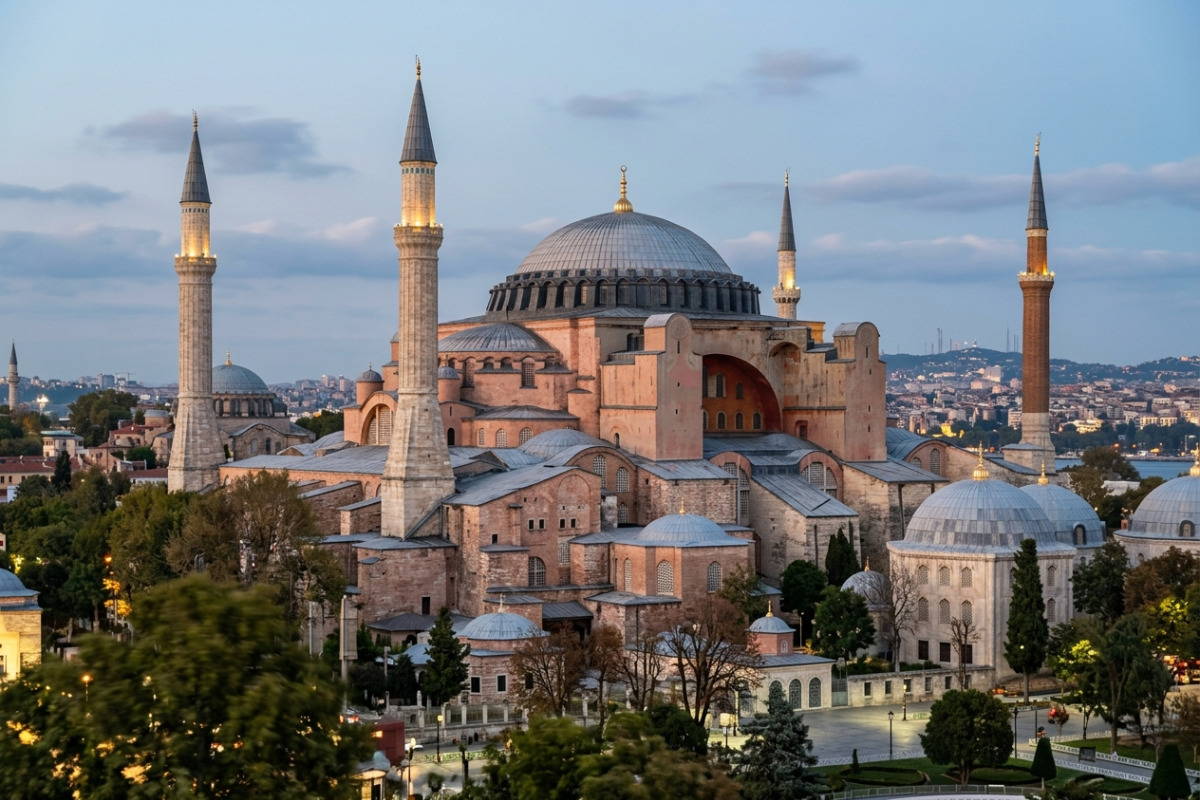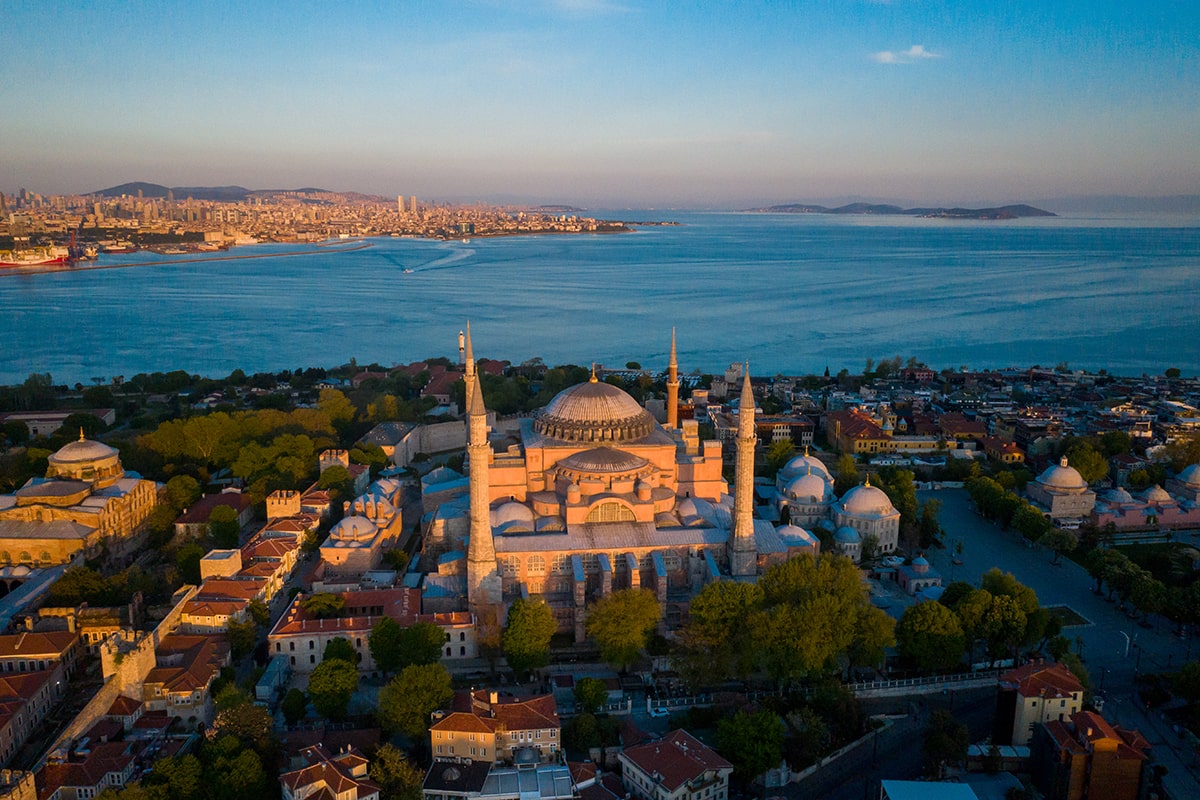
Hagia Sophia, a testament to Byzantine architectural prowess, stands not only as a visual masterpiece but also as an acoustic marvel. Its vast interior, soaring dome, and meticulously placed surfaces were deliberately designed to create a soundscape that elevates the spiritual experience. The echoes and reverberations within its walls contribute significantly to the sense of awe and wonder felt by visitors, making it a unique and unforgettable space. Let's delve into the fascinating acoustics of Hagia Sophia and understand how its architecture shapes its sound.
The Intentional Design of Sound
The architects of Hagia Sophia were not merely concerned with aesthetics; they also considered the impact of sound on the overall atmosphere. The building's design reflects a deep understanding of acoustics, with features strategically implemented to enhance the resonance and clarity of voices and music. This was particularly important for religious ceremonies, where chants, hymns, and prayers needed to fill the space and envelop the congregation. The reverberant environment amplified these sounds, creating a sense of divine presence and spiritual connection.
Key Architectural Elements and Their Acoustic Impact
Several architectural elements contribute to Hagia Sophia's unique acoustics:
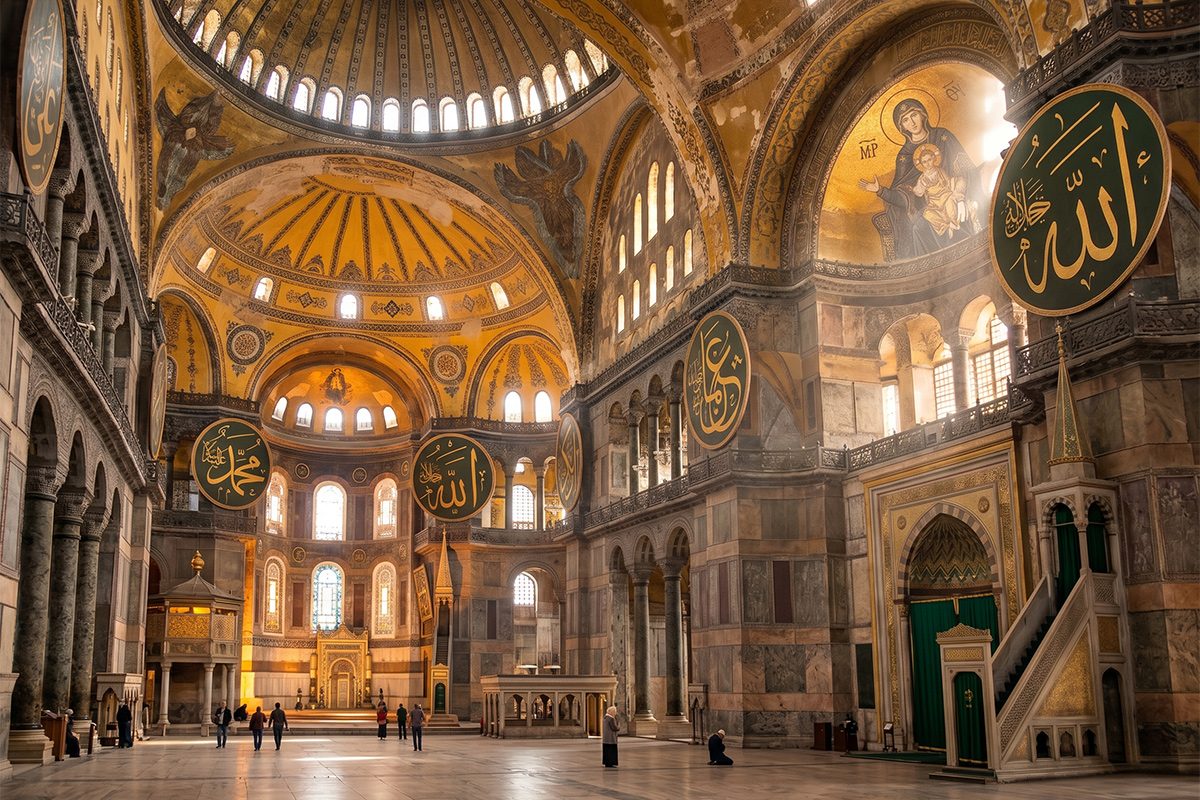
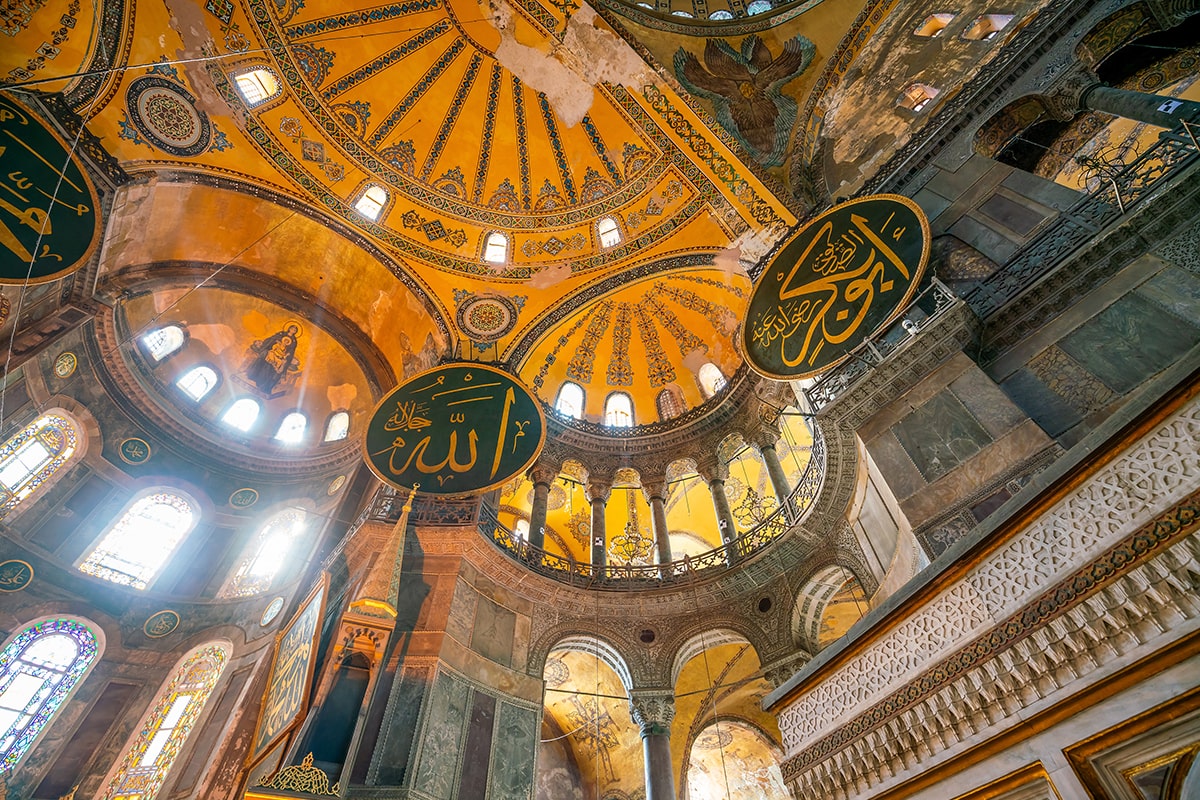
- The Dome: The massive central dome acts as a primary sound reflector, capturing and dispersing sound waves throughout the interior. Its curved surface helps to evenly distribute sound, creating a rich and immersive sonic environment.
- The Marble Surfaces: The extensive use of marble, particularly in the walls and floors, contributes to the building's reverberation. Marble is a highly reflective material that bounces sound waves back into the space, prolonging the duration of sounds and creating a sense of spaciousness.
- The Galleries: The upper galleries also play a role in shaping the acoustics. They provide additional surfaces for sound reflection and diffusion, contributing to the overall complexity and richness of the soundscape.
- The Apse: The apse, located at the eastern end of the building, serves as a focal point for sound reflection, directing sound waves back towards the congregation. This helps to improve the clarity and audibility of voices and music in the main worship area.
Acoustic Properties in Detail
Hagia Sophia’s reverberation time – the time it takes for a sound to decay by 60 decibels – is remarkably long. This extended reverberation time contributes significantly to the building's unique acoustic character. While precise measurements vary, studies have indicated reverberation times of several seconds, creating a lush and enveloping soundscape. This long reverberation time enhances the audibility of chants and hymns, making them sound fuller and more resonant. However, it can also present challenges for speech intelligibility, requiring careful consideration of speech rates and articulation.
| Acoustic Property | Description | Impact on Experience |
| Reverberation Time | The time it takes for sound to decay by 60 dB | Creates a sense of spaciousness and enhances the resonance of music and chants. |
| Sound Reflection | The bouncing of sound waves off surfaces | Distributes sound evenly throughout the space and contributes to the overall richness of the soundscape. |
| Sound Diffusion | The scattering of sound waves in multiple directions | Reduces echoes and creates a more balanced and immersive sound environment. |
The Spiritual Impact of Sound
The deliberate acoustic design of Hagia Sophia was intended to enhance the spiritual experience of those within its walls. The reverberant soundscape creates a sense of awe and wonder, immersing visitors in a sonic environment that is both captivating and profound. The echoes and resonances seem to amplify the voices of the clergy and the music of the choir, creating a feeling of divine presence and spiritual connection. This immersive acoustic experience contributes significantly to the overall sense of transcendence and reverence that visitors often feel when they enter Hagia Sophia. Understanding the history of this magnificent structure allows you to appreciate the design choices even further.
Imagine the chants of the priests echoing through the vast space, the voices blending and intertwining with the reverberations of the dome. The sound would envelop the congregation, creating a sense of unity and shared spiritual experience. The acoustics of Hagia Sophia were carefully crafted to facilitate this kind of immersive and transcendent experience, making it a truly unique and sacred space.
Experiencing Hagia Sophia Today
Today, visitors to Hagia Sophia can still experience the remarkable acoustics of this architectural marvel. While the building is no longer used for religious services, its unique soundscape remains a powerful and evocative reminder of its rich history and spiritual significance. Even the ambient sounds of visitors moving through the space contribute to the overall acoustic environment, creating a dynamic and ever-changing soundscape. To fully appreciate the acoustics, consider visiting during quieter times when you can focus on the sounds around you. Before your visit, check the visiting information to plan accordingly.
Whether you are an architecture enthusiast, a history buff, or simply someone seeking a unique and memorable experience, a visit to Hagia Sophia is sure to leave a lasting impression. And while you're planning your trip, be sure to check tickets information in advance. The building's stunning visual beauty, combined with its remarkable acoustics, creates a truly unforgettable experience that transcends the ordinary.
Conclusion
The acoustics of Hagia Sophia are an integral part of its architectural and spiritual significance. The deliberate design of its interior, with its soaring dome, marble surfaces, and strategic placement of galleries and apses, creates a unique and reverberant soundscape that enhances the overall experience of the space. Whether you are listening to the echoes of your own footsteps or imagining the chants of the Byzantine clergy, the acoustics of Hagia Sophia are sure to leave you in awe of this architectural marvel.