Hagia Sophia, a majestic architectural marvel in Istanbul, transcends its religious significance. Throughout its storied history, from its inception as a grand cathedral of the Byzantine Empire to its transformation into an Ottoman mosque, Hagia Sophia served as a powerful visual statement of imperial authority. Its very stones whisper tales of emperors, sultans, and the projection of their power onto the world stage. Understanding its political significance unlocks a deeper appreciation for this iconic structure.
Byzantine Foundations: Projecting Divine Authority
Commissioned by Emperor Justinian I in the 6th century, Hagia Sophia, meaning “Holy Wisdom,” was conceived as the grandest church in Christendom. Its sheer scale was intended to impress both citizens and foreign dignitaries, reinforcing the Byzantine Empire's wealth, technological prowess, and divine favor. The speed of its construction, completed in just five years, further emphasized the Emperor's decisiveness and control.
The interior of Hagia Sophia was meticulously designed to inspire awe and reverence. Consider these elements:
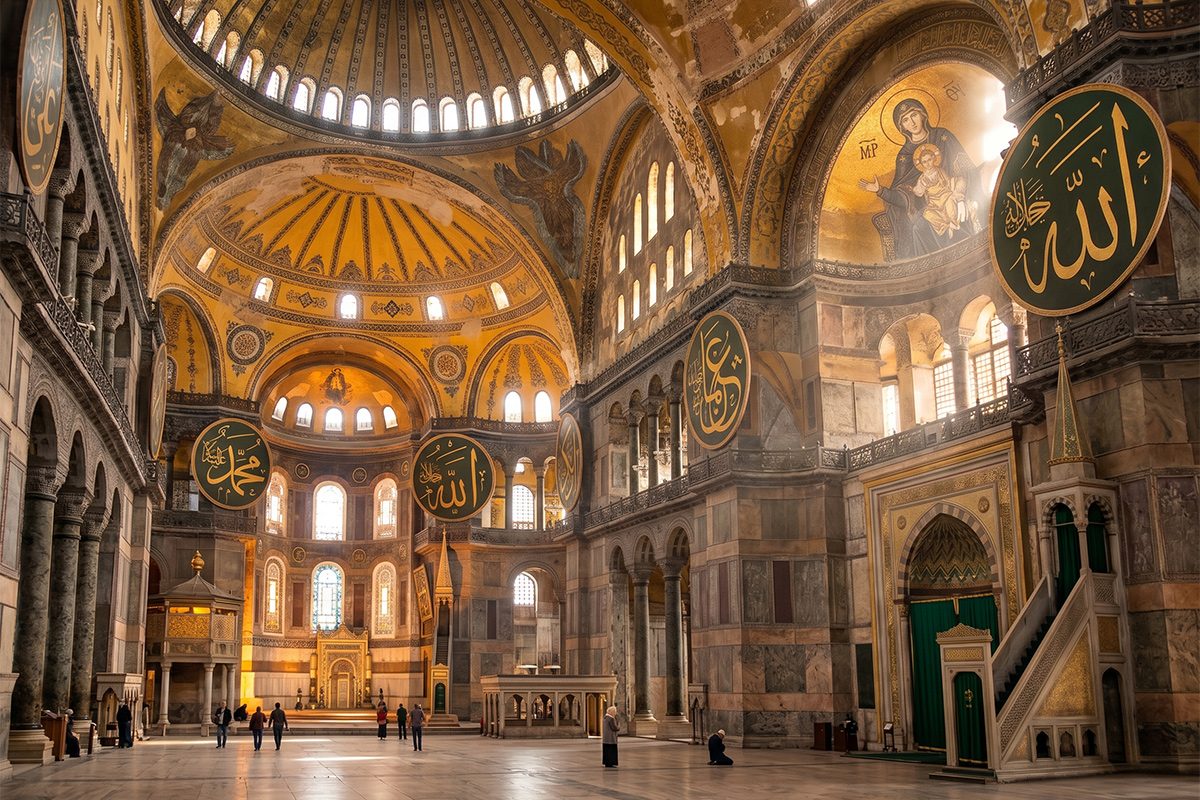
- Grand Dome: The innovative dome, seemingly suspended from the heavens, created a sense of ethereal grandeur, symbolizing the connection between the earthly realm and the divine.
- Extensive Use of Gold: The lavish application of gold mosaics, shimmering in the light, conveyed immense wealth and power, associating the Emperor with divine glory.
- Imperial Box: A designated area allowed the Emperor and his entourage to participate in religious ceremonies, visually reinforcing his supreme authority and his divinely ordained right to rule.
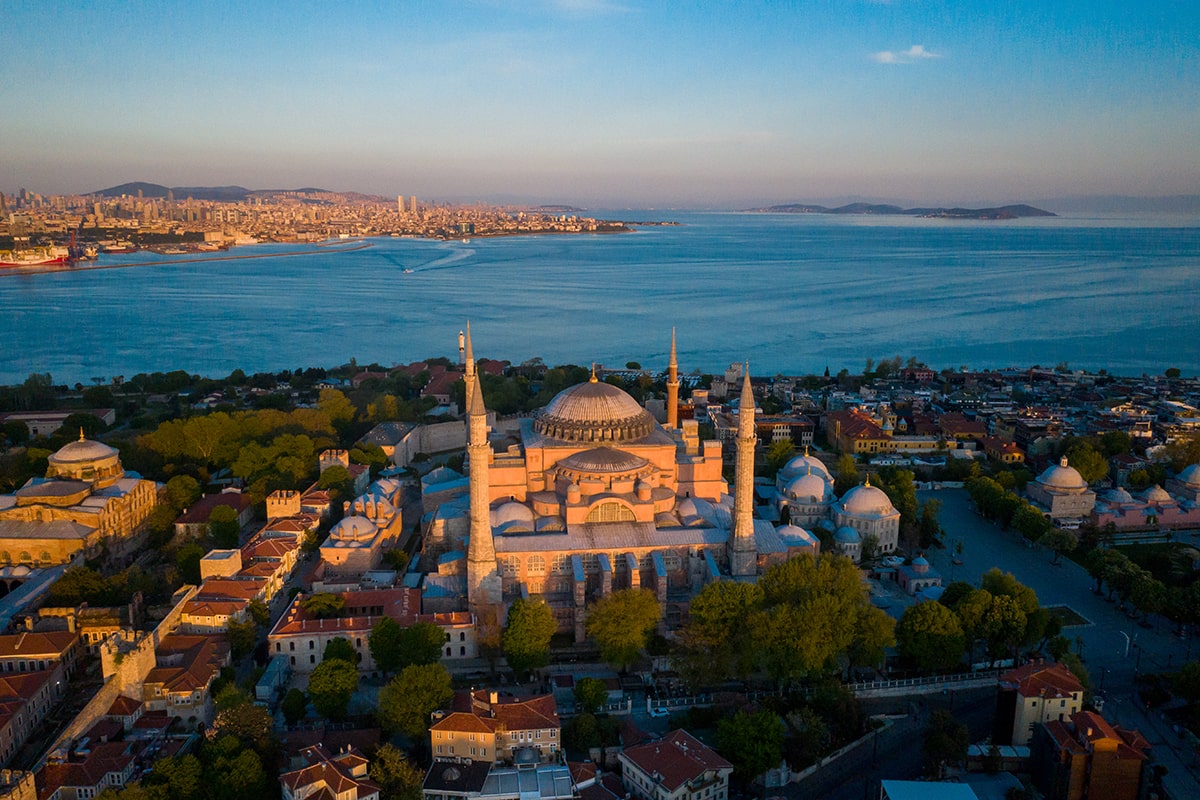
The placement of Hagia Sophia within the heart of Constantinople, near the imperial palace and other important administrative buildings, further solidified its role as a central pillar of imperial power. You can explore more about the early days of this architectural wonder on the History page.
Ottoman Transformation: Claiming a New Empire
When Sultan Mehmed II conquered Constantinople in 1453, Hagia Sophia underwent a significant transformation. Rather than destroying the magnificent structure, Mehmed II recognized its inherent power and symbolic value. Converting it into a mosque allowed him to claim the legacy of the Byzantine Empire and project his own imperial authority as the new ruler of the city.
Several key modifications were made to reflect its new religious function and Ottoman identity:
- Addition of Minarets: The construction of minarets, slender towers from which the call to prayer is issued, dramatically altered the exterior skyline and asserted the dominance of Islam.
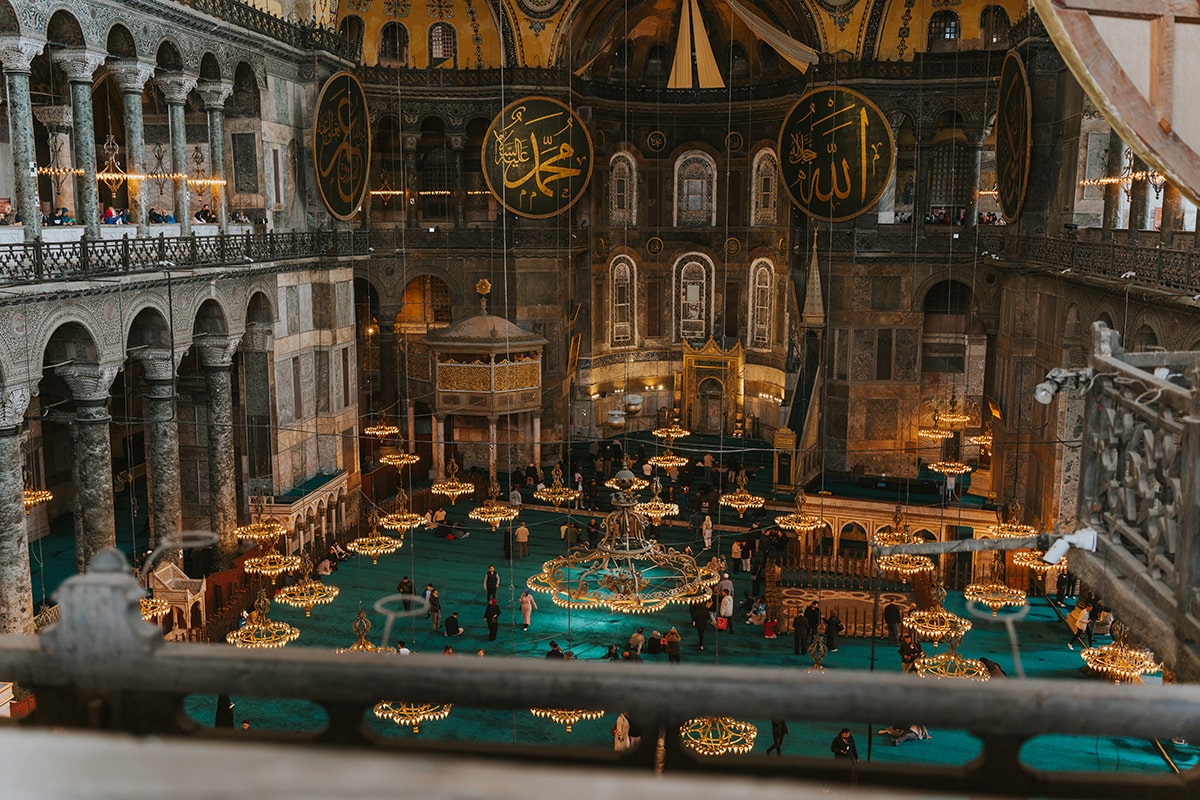
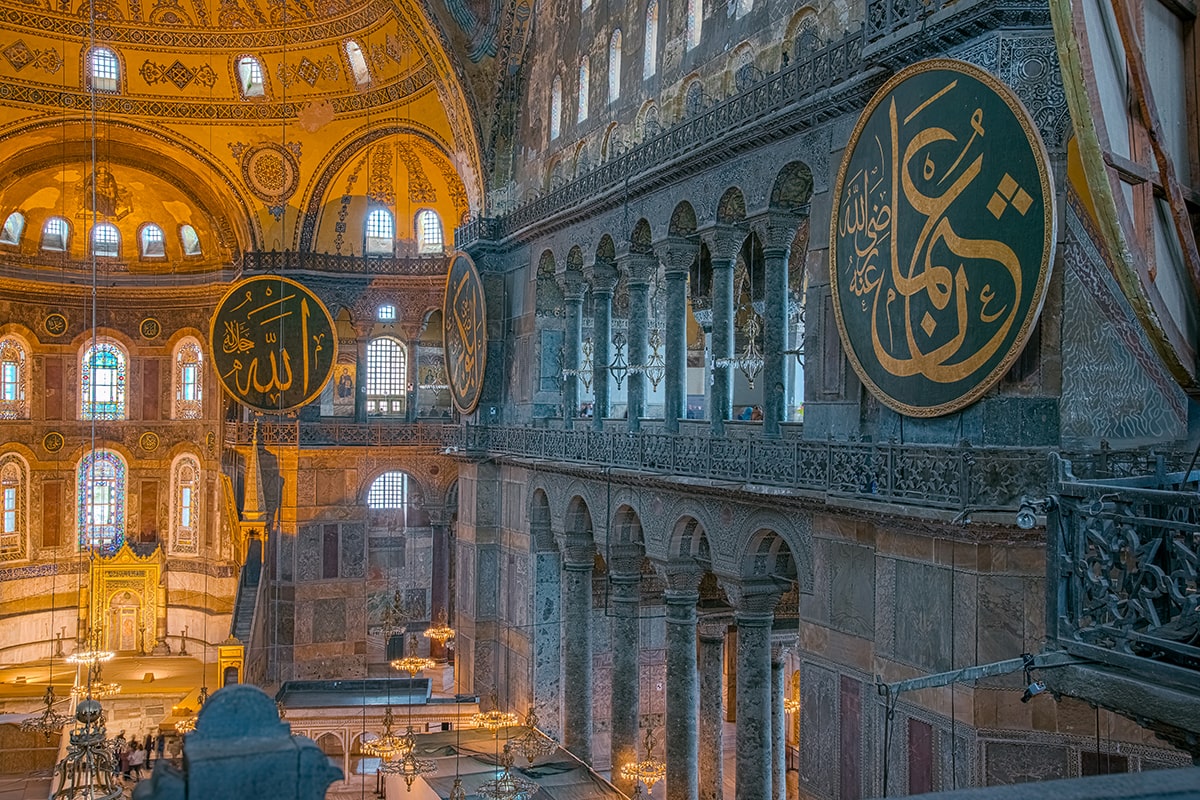
- Islamic Calligraphy: The incorporation of large calligraphic panels displaying verses from the Quran replaced some of the Byzantine mosaics, reflecting the new religious order.
- Mihrab and Minbar: The addition of a mihrab, indicating the direction of Mecca, and a minbar, a pulpit for sermons, further transformed the space into a functional mosque.
Despite these changes, much of the original Byzantine structure and decoration was preserved, demonstrating a strategic blend of continuity and change. This allowed the Ottomans to both assert their power and connect themselves to the rich history of the city. The strategic location remained the same, ensuring Hagia Sophia continued to dominate the cityscape and serve as a focal point of imperial power.
Architectural Symbolism: A Language of Power
The architectural elements of Hagia Sophia, both Byzantine and Ottoman, communicated a clear message of power and authority. The sheer scale of the building, its innovative design, and the opulent materials used in its construction all conveyed a sense of immense wealth, technological prowess, and divine favor. The strategic placement of the building within the city further reinforced its role as a central pillar of imperial power.
Consider how different architectural choices reflected the shifting power dynamics:
| Feature | Byzantine Significance | Ottoman Significance |
| Dome | Symbolized heaven and divine power | Continued to represent divine power, now within an Islamic context |
| Mosaics | Depicted Christian figures and biblical scenes, reinforcing Christian faith | Partially replaced or covered with Islamic calligraphy, reflecting the new dominant religion |
| Minarets | Absent in the original Byzantine structure | Served as a visual symbol of Islamic dominance and a call to prayer |
Visiting Hagia Sophia Today: Experiencing History and Power
Today, Hagia Sophia stands as a museum, allowing visitors to witness firsthand the architectural grandeur and historical significance of this iconic structure. Walking through its vast interior, one can sense the weight of history and the echoes of emperors and sultans who sought to project their power through its walls. Plan your visit by checking out the Visiting Information page for details on hours, accessibility, and more.
Understanding Hagia Sophia as a symbol of imperial power enriches the visitor experience, transforming it from a simple sightseeing trip into a journey through the political and religious history of two great empires. Whether you are interested in Byzantine history, Ottoman architecture, or simply marveling at human ingenuity, Hagia Sophia offers a compelling and unforgettable experience.
To make the most of your visit, consider securing your Tickets in advance to avoid long queues and ensure a seamless entry to this historical masterpiece.