Hagia Sophia, a monument that has witnessed empires rise and fall, is often admired for its breathtaking dome and shimmering mosaics. Millions flock to Istanbul each year to marvel at its grandeur. But beyond the well-trodden paths and iconic vistas, lies a world of subtle architectural nuances waiting to be discovered. This article invites you on a journey to uncover the lesser-known details of Hagia Sophia, exploring the intricate carvings, hidden chambers, and the fascinating stories they tell about its construction and subsequent transformations.
The Whispers in the Stone: Intricate Carvings
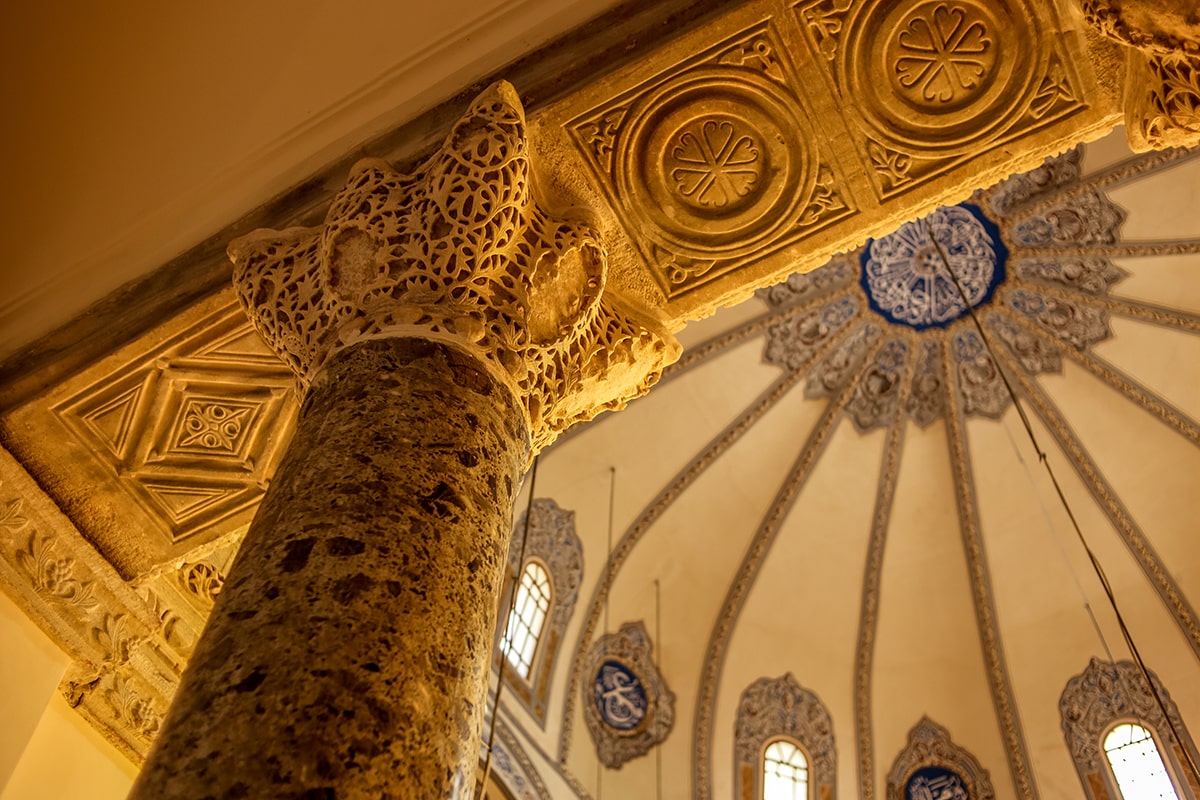
While the vastness of Hagia Sophia can be overwhelming, taking a closer look reveals a wealth of intricate carvings that adorn its walls and columns. These are not merely decorative elements; they offer glimpses into the artistic sensibilities of the Byzantine era and the Ottoman period. Look closely at the capitals of the columns, for instance. Many are adorned with acanthus leaves, symbols of immortality and rebirth, meticulously carved with astonishing detail. Others feature geometric patterns and stylized floral motifs, reflecting the evolving aesthetic tastes throughout the building's long history.
Don't miss the marble panels, some of which bear inscriptions and symbols that have yet to be fully deciphered. These cryptic markings add an air of mystery to the already enigmatic structure, inviting speculation about their origins and meanings. These carvings are a testament to the skill and artistry of the craftsmen who labored to create this magnificent edifice.
Secrets Behind the Walls: Hidden Chambers and Passageways
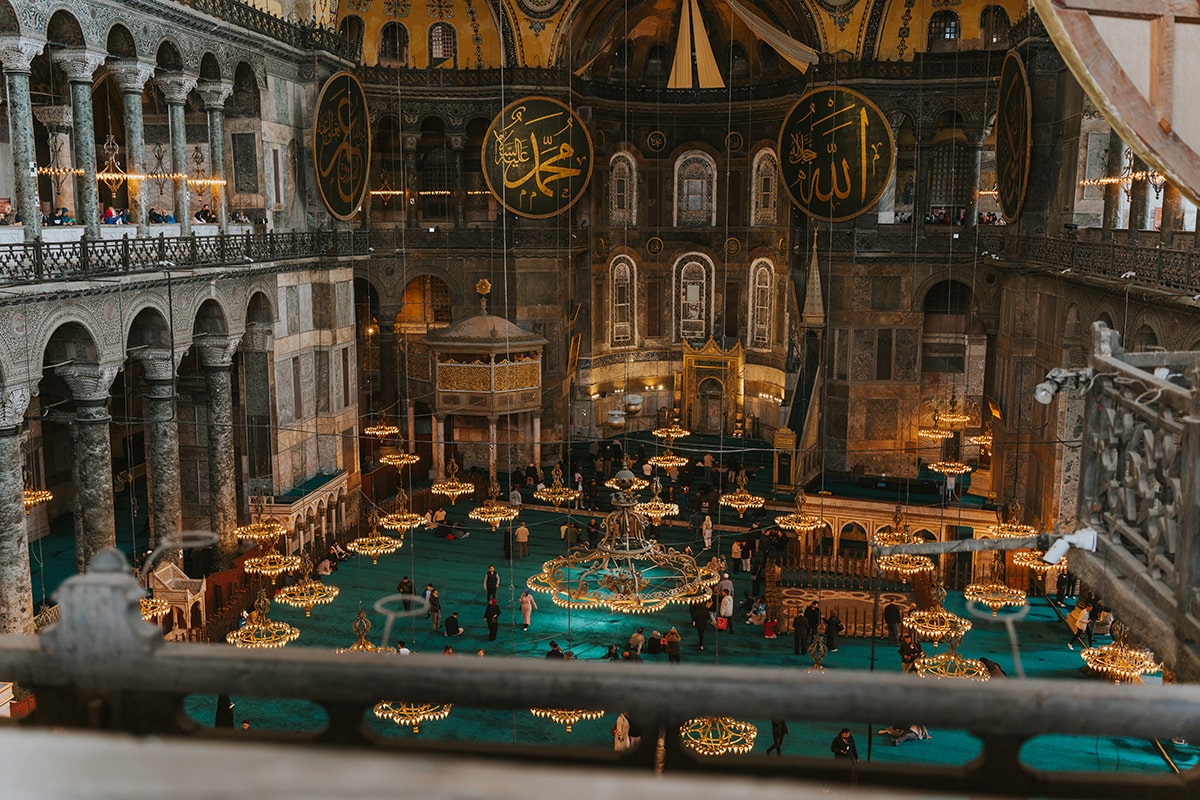
Hagia Sophia is not just a single, monolithic structure; it's a complex network of chambers, passageways, and galleries, many of which are not readily accessible to the public. Some of these hidden spaces served practical purposes, such as storage or ventilation, while others may have been used for religious ceremonies or even as escape routes during times of political upheaval. Legends abound regarding secret tunnels leading from Hagia Sophia to other parts of Istanbul, though their existence remains largely unproven. However, the very possibility of such hidden passages adds to the allure and mystique of the building.
Researchers and archaeologists continue to explore these less accessible areas, hoping to uncover new insights into the building's history and its original design. The ongoing restoration efforts also occasionally reveal previously unknown features, further enriching our understanding of this architectural marvel. Consider exploring the history of the building to understand how these spaces were created and used over time.
Echoes of Empires: Architectural Evolution Through the Ages
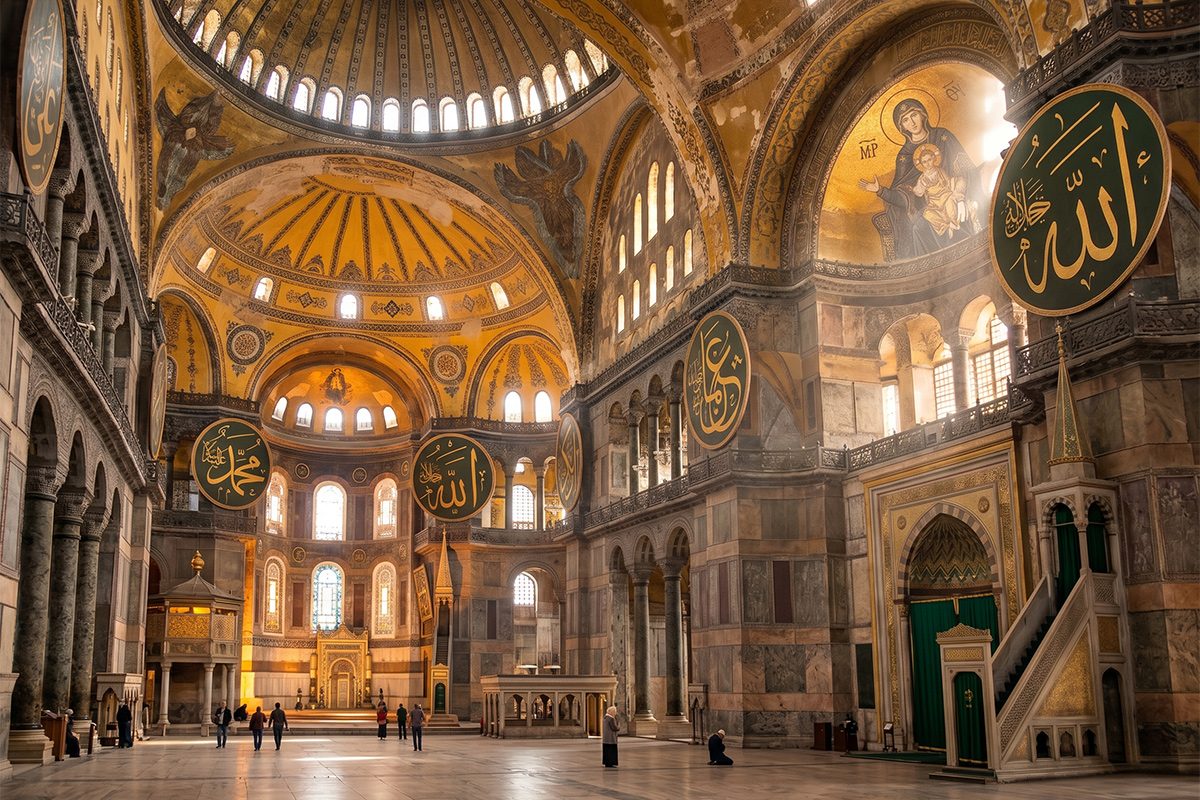
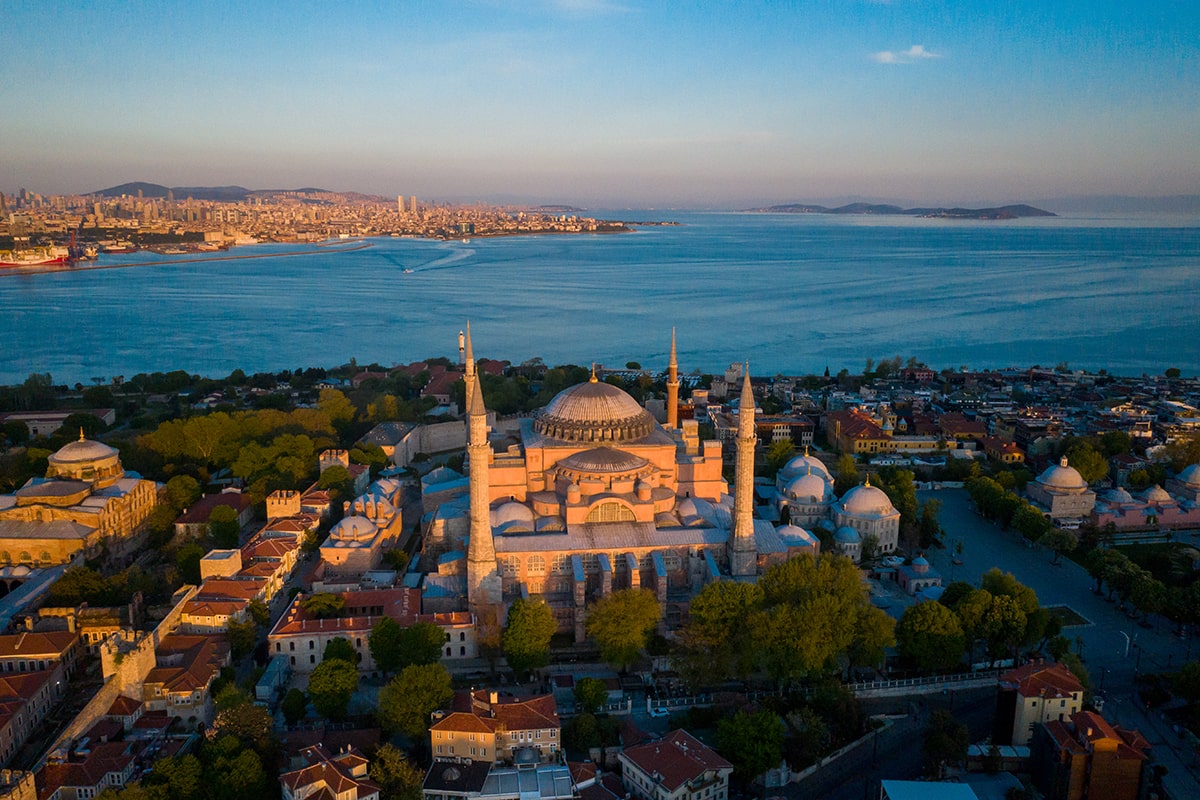
Hagia Sophia has undergone numerous transformations throughout its history, reflecting the changing political and religious landscape of Istanbul. From its original construction as a Byzantine cathedral to its conversion into an Ottoman mosque, each era has left its mark on the building's architecture. The addition of minarets, mihrabs, and other Islamic elements has created a unique synthesis of Byzantine and Ottoman styles. Analyzing these architectural additions provides valuable clues about the building's evolution and the cultural influences that have shaped its identity.
For example, the massive buttresses that support the dome were added after several earthquakes threatened to collapse the structure. These structural reinforcements, while necessary, altered the building's original appearance, showcasing the pragmatic approach taken to preserve this invaluable landmark. Understanding these changes requires a keen eye and a willingness to look beyond the surface. Planning your visit in advance can help you focus on specific architectural elements.
Unveiling the Details: A Closer Look at Specific Features
To fully appreciate the hidden gems of Hagia Sophia, it's essential to pay attention to specific architectural features that are often overlooked. Here are a few examples:
- The Omphalion: Located near the main altar, this circular marble disc marks the spot where Byzantine emperors were crowned. Its intricate geometric patterns and symbolic significance make it a noteworthy detail.
- The Weeping Column: Legend has it that this column possesses healing powers. Visitors often insert their fingers into a hole in the column, hoping to receive a blessing or cure an ailment.
- The Deesis Mosaic: Though not entirely "hidden," this stunning mosaic in the south gallery is often missed due to its location and the crowds. It depicts Christ flanked by the Virgin Mary and John the Baptist, and it's considered one of the finest examples of Byzantine art.
Planning Your Exploration: Tips for Discovering Hagia Sophia's Secrets
Uncovering the hidden gems of Hagia Sophia requires a bit of planning and a willingness to venture off the beaten path. Here are some tips to enhance your exploration:
- Visit during off-peak hours: To avoid the crowds and have more time to observe the details, consider visiting early in the morning or late in the afternoon.
- Hire a knowledgeable guide: A guide can provide valuable insights into the building's history, architecture, and hidden features.
- Bring binoculars: Binoculars will allow you to examine the mosaics and carvings in greater detail.
- Read up on Hagia Sophia before your visit: Familiarizing yourself with the building's history and architecture will help you appreciate its nuances even more.
Exploring Hagia Sophia is more than just a sightseeing trip; it's a journey through history, art, and culture. By taking the time to uncover its hidden gems, you'll gain a deeper appreciation for this iconic landmark and its enduring legacy. Make sure to check ticket options to optimize your visit.
❗️❗️❗️ WIDGET ALANI ❗️❗️❗️
Summary of Key Architectural Details
| Feature | Description | Significance |
| Column Capitals | Adorned with acanthus leaves, geometric patterns, and floral motifs. | Reflect artistic sensibilities and evolving aesthetic tastes. |
| Marble Panels | Bear inscriptions and symbols, some yet to be deciphered. | Add mystery and invite speculation about their origins. |
| Omphalion | Circular marble disc marking the spot where Byzantine emperors were crowned. | Symbolic of imperial power and religious ceremony. |
| Weeping Column | Column with a hole believed to possess healing powers. | Associated with legends and popular beliefs. |