Hagia Sophia stands as a monumental testament to history, architecture, and spirituality. However, its significance transcends the physical structure; it embodies a complex narrative that continues to evolve in modern culture. As we delve into its enduring symbolism, we uncover how Hagia Sophia serves as a bridge between past and present, influencing art, politics, and religious discourse.
The Cultural Resonance of Hagia Sophia
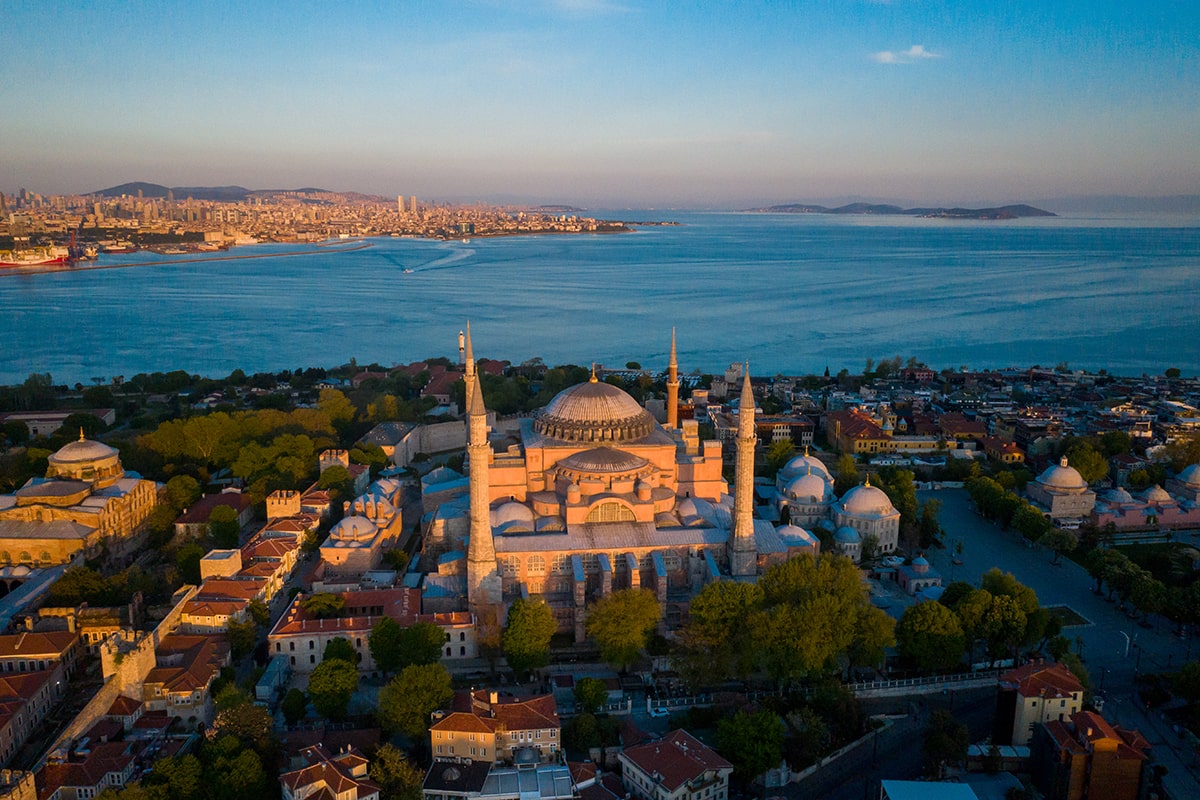
The cultural resonance of Hagia Sophia is profound, impacting various spheres of life. For many, it has become a symbol of unity and diversity, reflecting the rich tapestry of Istanbul’s multicultural heritage. Artists, musicians, and writers draw inspiration from its grand architecture and storied past, creating works that echo its beauty and historical significance.
Moreover, Hagia Sophia's presence in contemporary media—from films to documentaries—reinforces its status as a cultural icon. These representations often explore themes of coexistence and conflict, inviting audiences to reflect on the complexities of cultural identity. As such, Hagia Sophia is not merely a relic of the past; it is a living part of the ongoing dialogue about history and memory.
Hagia Sophia in Political Discourse
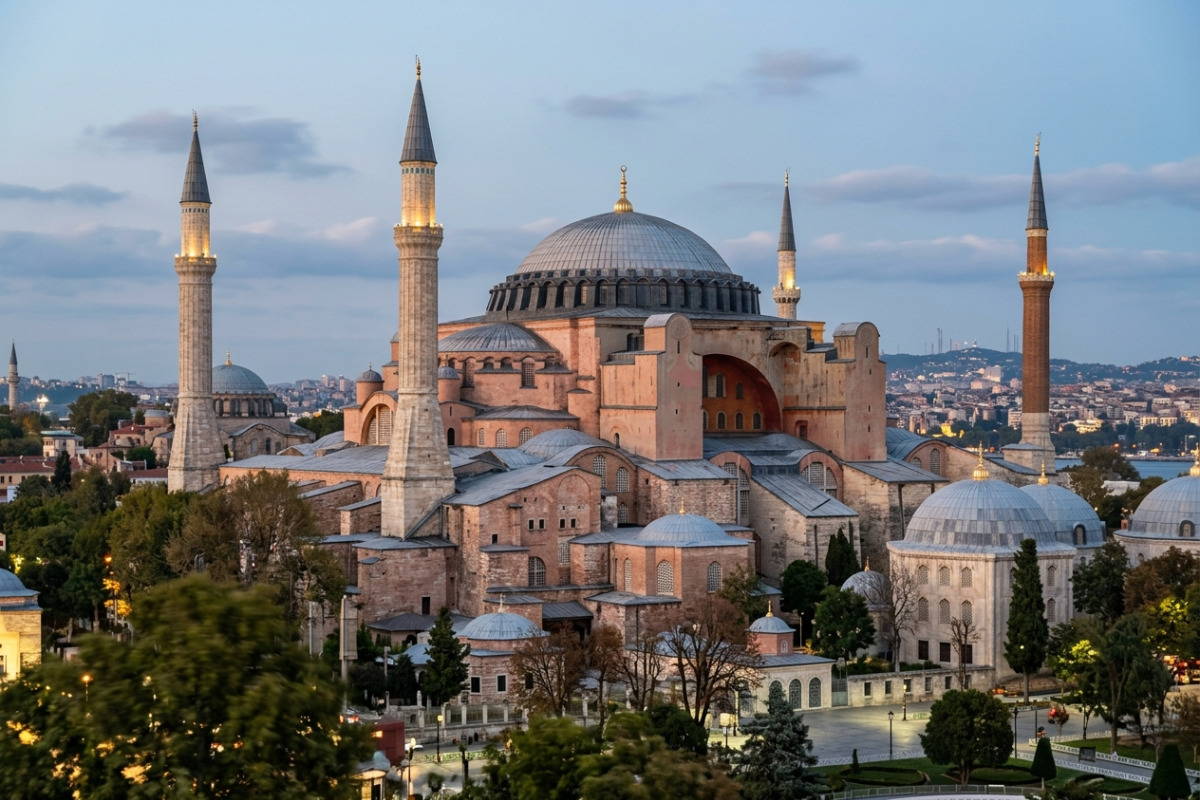
The political significance of Hagia Sophia cannot be understated. Throughout its history, it has been a site of power struggles, symbolizing control over religious and cultural narratives. In recent years, its conversion back to a mosque has reignited discussions about nationalism, cultural heritage, and religious freedom.
This transformation has sparked a global conversation about the role of historical sites in modern governance. Supporters of the change argue that it honors the building's Islamic heritage, while critics express concerns over the implications for secularism and multiculturalism. This debate highlights how Hagia Sophia continues to be a focal point for discussions on identity and belonging in an increasingly polarized world.
The Spiritual Legacy of Hagia Sophia
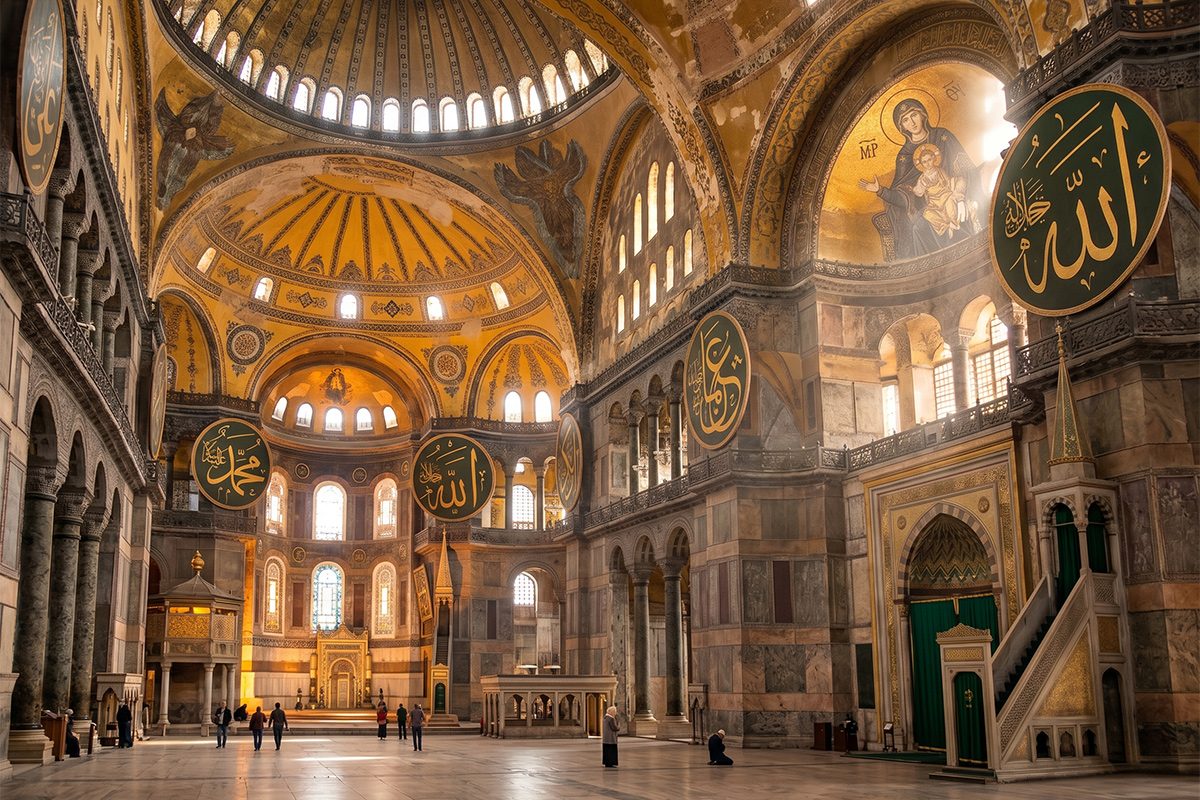
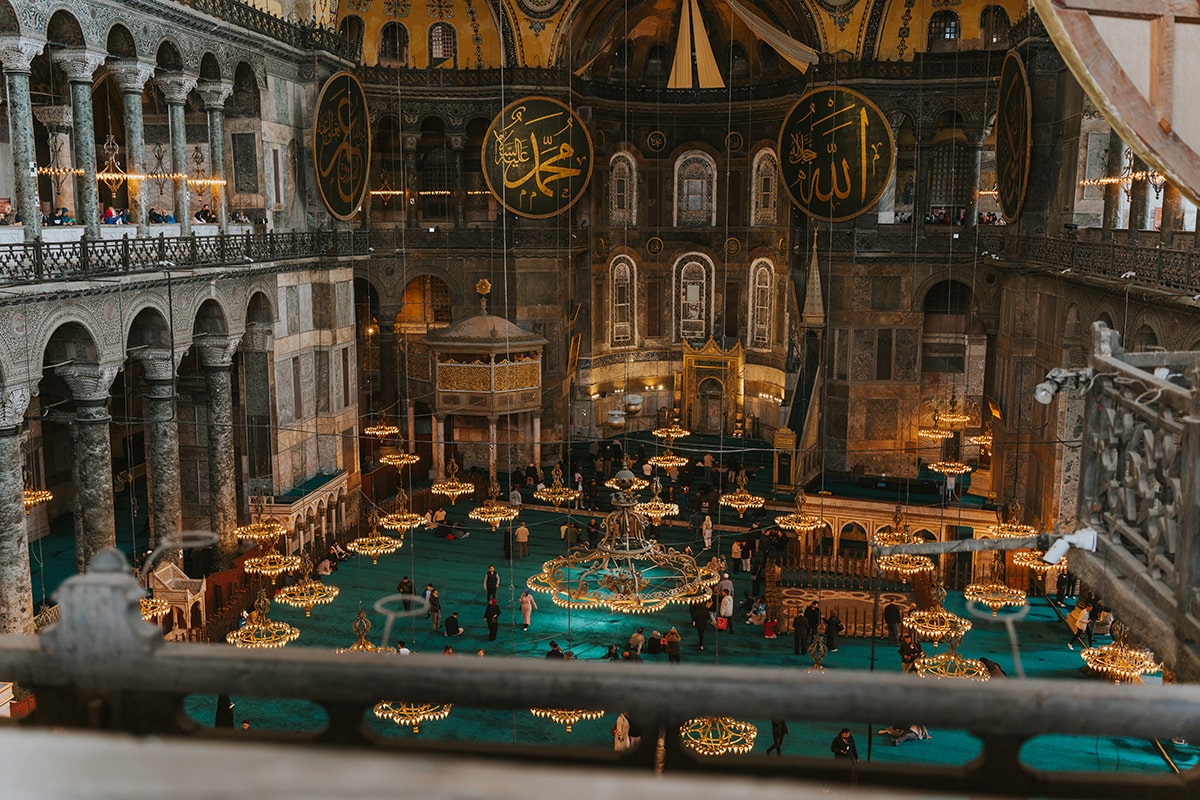
Beyond its architectural splendor and political implications, Hagia Sophia remains a spiritual beacon. Visitors often describe profound experiences while inside its vast halls, where the interplay of light, sound, and history creates a unique ambiance. This spiritual essence attracts not only tourists but also pilgrims seeking a deeper connection to the divine.
As a site of worship, Hagia Sophia embodies different faiths and practices, offering a space for reflection and contemplation. Whether viewed as a museum, mosque, or church, it invites individuals to explore their spirituality and the shared human experience. Thus, Hagia Sophia transcends religious boundaries, fostering a sense of interconnectedness among visitors from diverse backgrounds.
Preserving the Legacy of Hagia Sophia
Efforts to preserve Hagia Sophia's legacy are essential in ensuring its continued relevance. Restoration projects aim to protect its intricate mosaics and architectural details, allowing future generations to appreciate its grandeur. Such initiatives not only safeguard the physical structure but also the stories and memories it holds.
Engaging with Hagia Sophia's history through educational programs and guided tours enriches the visitor experience. Understanding the cultural and historical context enhances appreciation for this architectural marvel, making each visit more meaningful. To delve deeper into this journey, consider purchasing tickets for your next visit, where you can witness its magnificence firsthand.
Conclusion
In conclusion, Hagia Sophia remains a powerful symbol in modern culture, embodying a rich tapestry of history, spirituality, and political discourse. Its ability to inspire artists, provoke discussions, and foster spiritual connections ensures its place in the hearts and minds of many. As you plan your visit, remember that Hagia Sophia is not just a destination; it is a journey through time and culture.