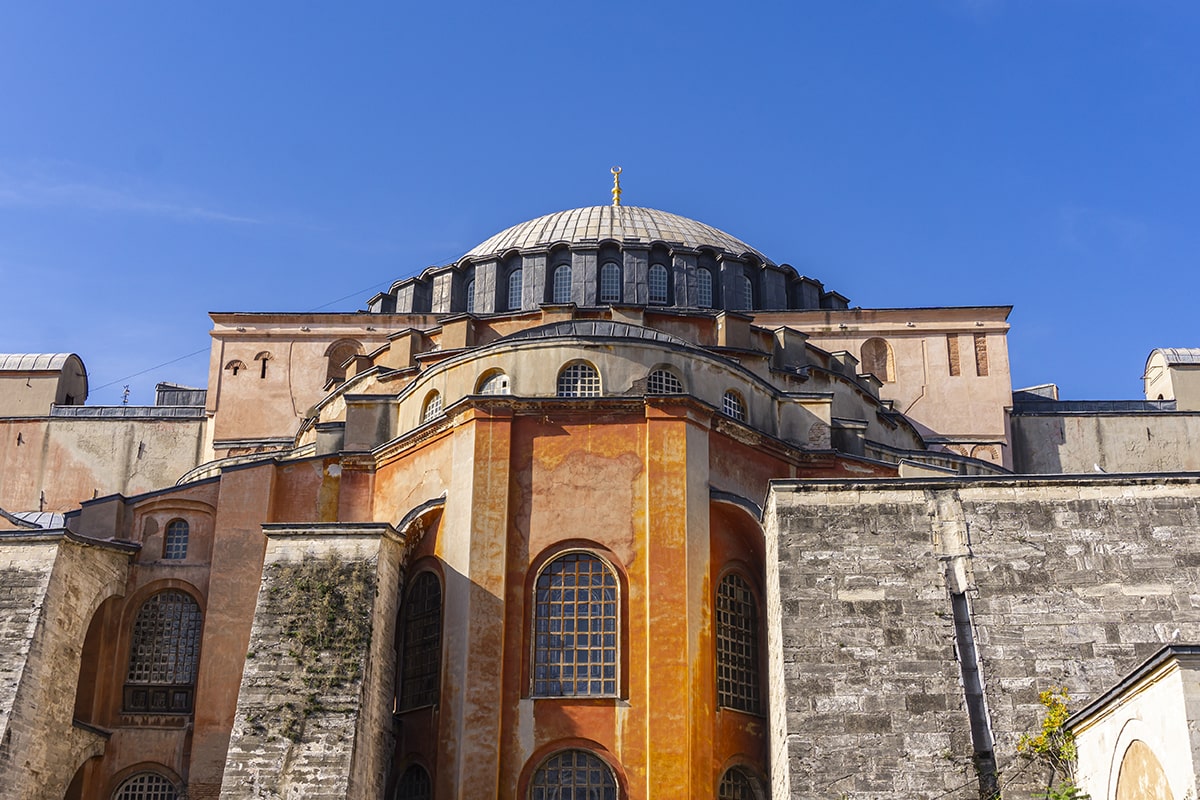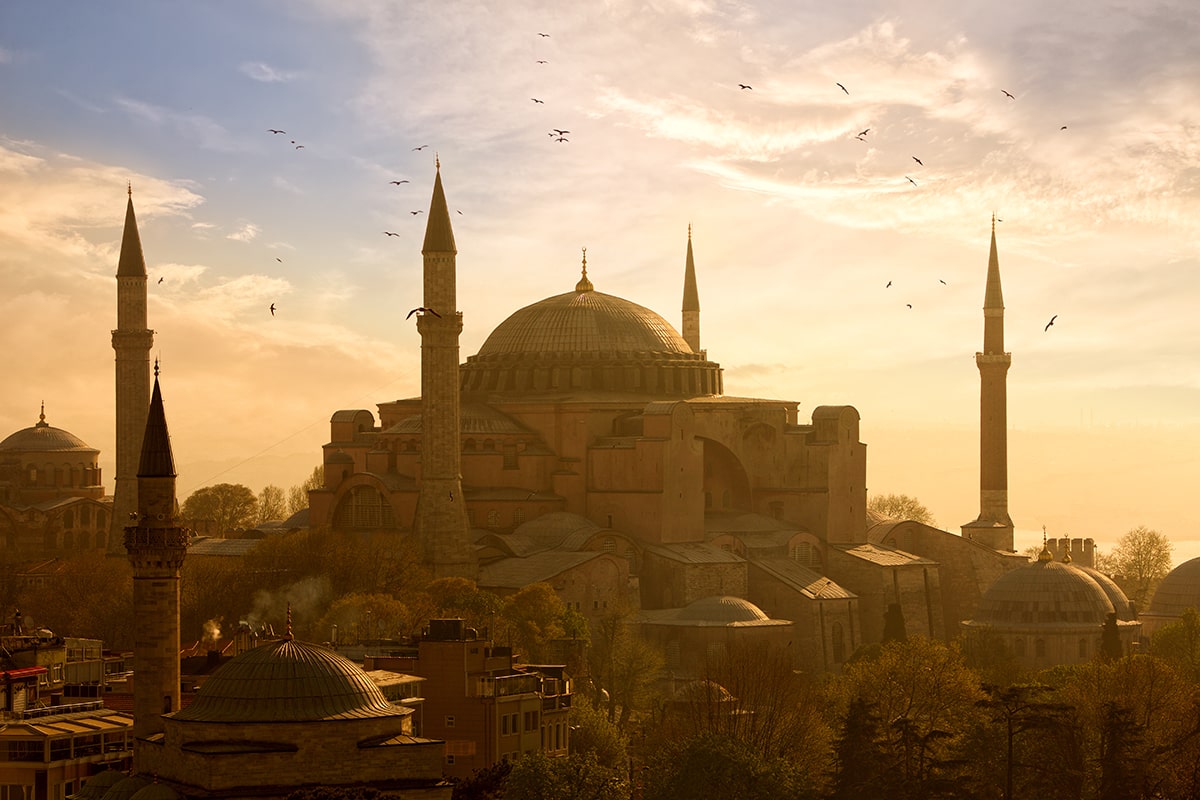
The Hagia Sophia is one of the most remarkable landmarks in the world, a masterpiece that has witnessed empires rise and fall for nearly 1,500 years. Originally built as a Byzantine cathedral, later converted into an Ottoman mosque, and now serving again as a mosque, Hagia Sophia remains an essential stop for anyone visiting Istanbul. Here’s a complete guide to help you plan your visit efficiently and respectfully.
Location and How to Get There
Hagia Sophia is located in the Sultanahmet district, in the heart of Istanbul’s Old City. It’s within walking distance of other major attractions like the Blue Mosque, Topkapi Palace, and the Basilica Cistern. The easiest way to get there is by taking the T1 tram line to Sultanahmet Station, which is only a short walk away from the entrance.
Visiting Hours and Best Time to Go
Since Hagia Sophia functions as an active mosque, visiting hours vary depending on the daily prayer times. Non-Muslim visitors can enter outside of prayer sessions, usually from 9:00 AM to 6:00 PM. Fridays tend to be busier due to the noon prayer, so plan your visit on another day if you prefer a quieter experience. Early mornings or late afternoons are the best times to avoid crowds.
Entrance and Admission Policy
Admission to Hagia Sophia is free of charge since it is now a mosque, but visitors should enter through the designated tourist gate. Security checks are standard at the entrance. If you wish to explore the structure in more detail, consider downloading an audio guide app or joining a guided tour that explains the building’s art, architecture, and religious history.
Dress Code and Visitor Etiquette
As Hagia Sophia is an active place of worship, modest clothing is required. Women should cover their hair, shoulders, and knees; men should avoid sleeveless shirts and shorts. Shoe removal is mandatory before entering the prayer area, so wearing easy-to-remove shoes is recommended. Always maintain silence and respect those praying.
Architectural Highlights
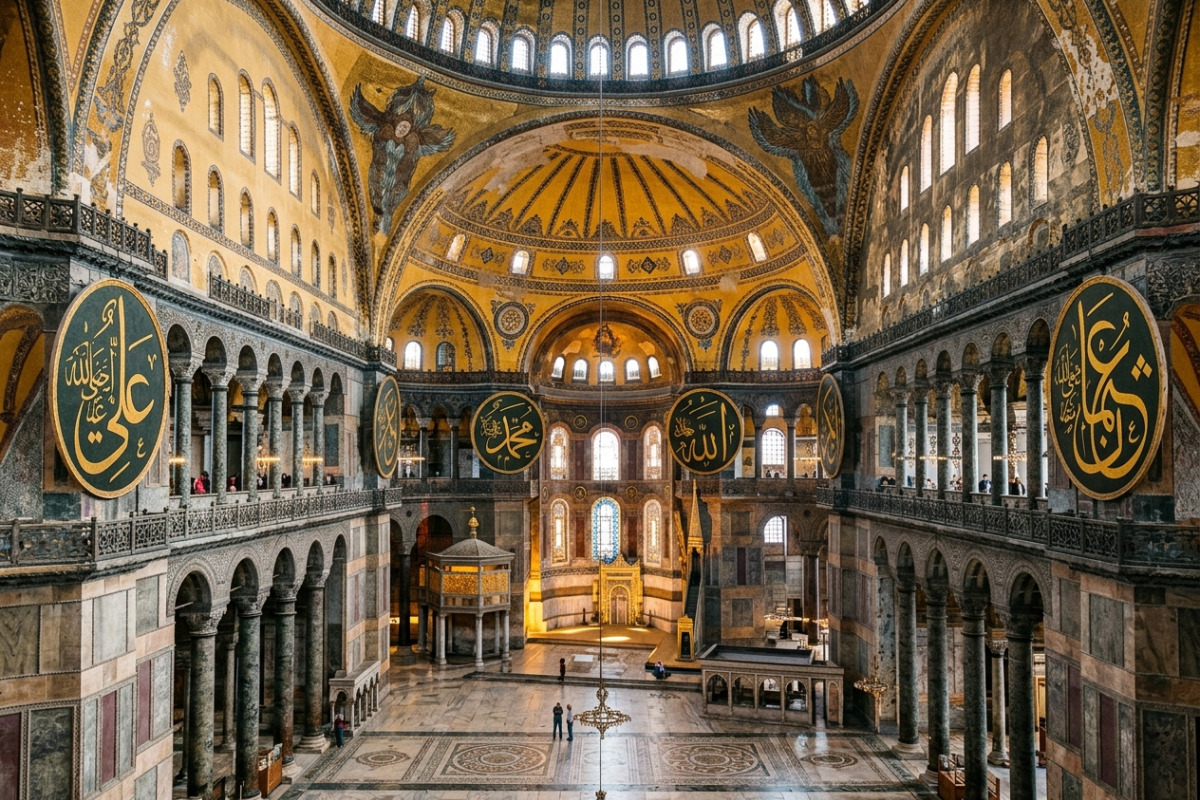
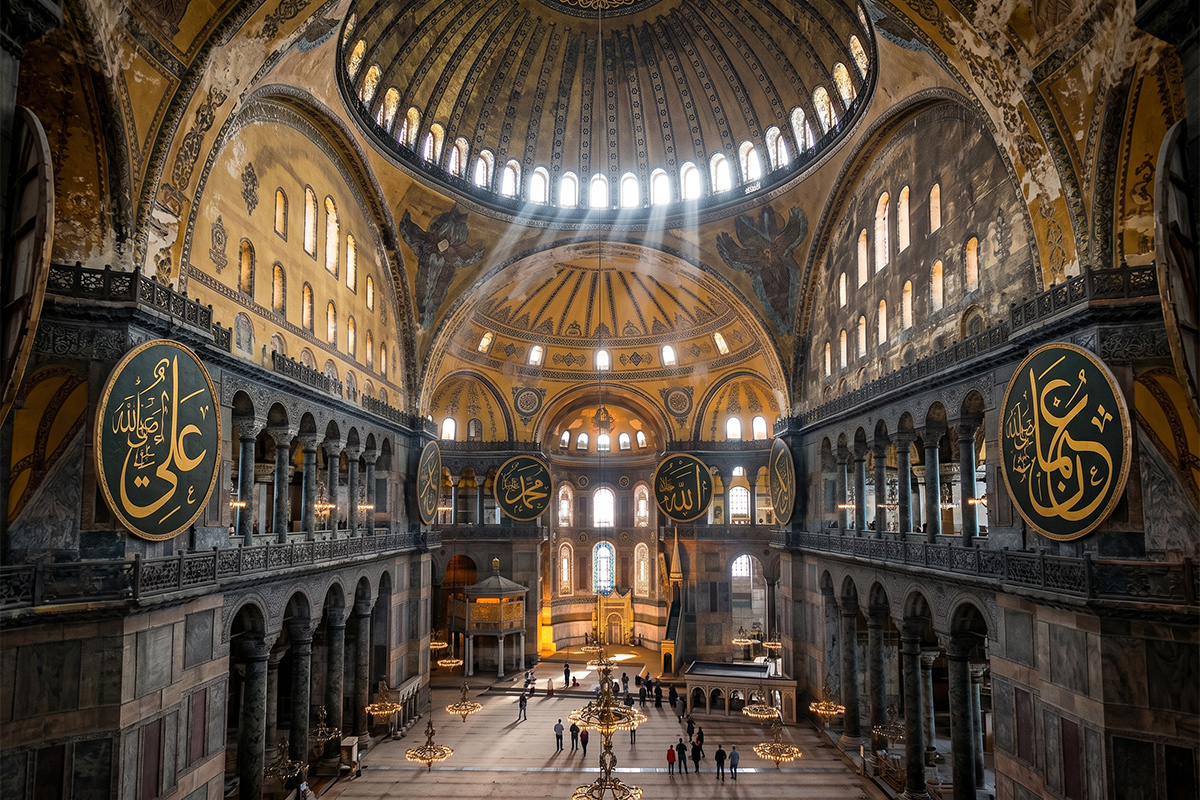
Don’t miss the building’s stunning dome, which seems to float effortlessly above the vast interior. The Byzantine mosaics depicting Christ, the Virgin Mary, and various emperors can still be admired in the upper galleries, though some may be covered during prayer times. The marble floors, massive columns, and Islamic calligraphy panels reflect the site’s blend of Christian and Islamic heritage.
Nearby Attractions
After visiting Hagia Sophia, explore nearby landmarks such as the Basilica Cistern and Topkapi Palace. Both are within a five-minute walk and offer insights into the imperial and spiritual life of ancient Constantinople.
Tips for a Smooth Visit
- Visit early in the morning to avoid long lines.
- Carry a scarf or shawl for head covering.
- Photography is allowed, but flash and tripods are not.
- Download a reliable audio guide app for historical context.
- Check prayer times online before visiting.
Final Thoughts
Visiting Hagia Sophia is not just a sightseeing experience it’s a journey through layers of world history, faith, and art. Whether you’re drawn by its spirituality, architecture, or sheer grandeur, the monument stands as a symbol of Istanbul’s timeless beauty and cultural fusion. Plan your visit thoughtfully, and you’ll leave with memories that will last a lifetime.