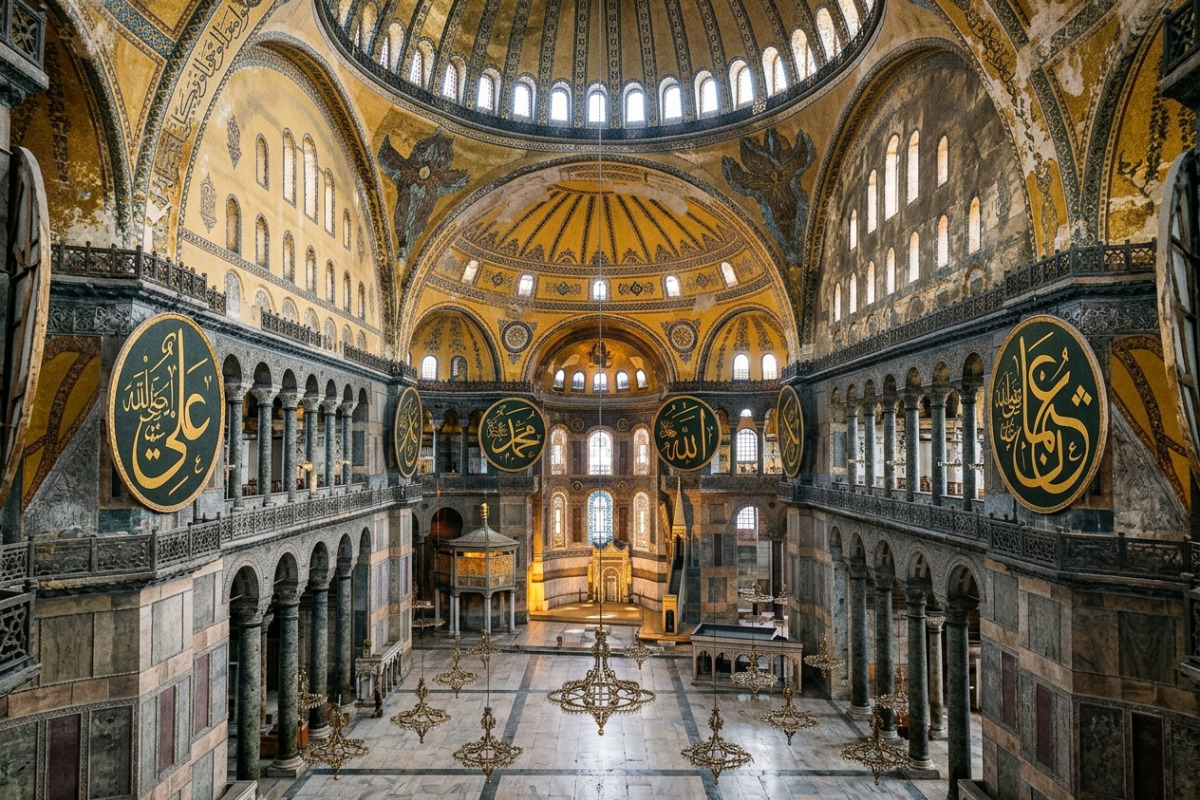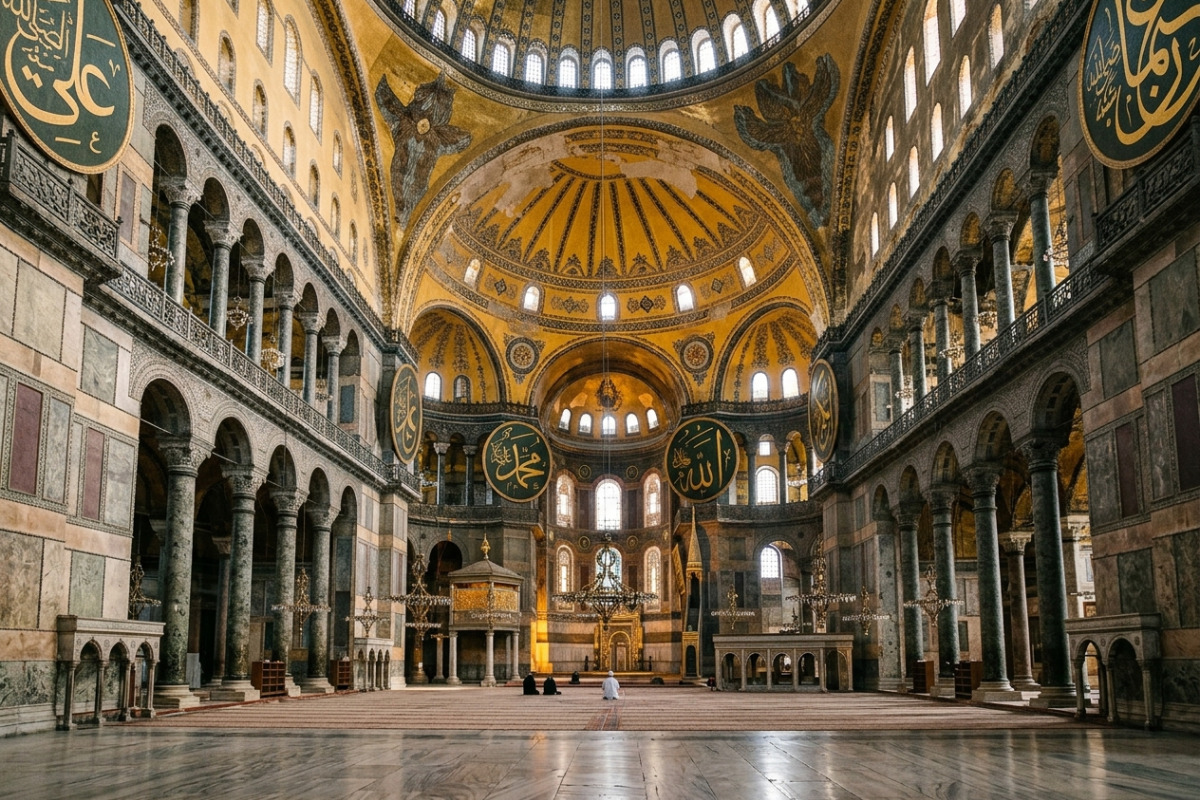
Hagia Sophia, a magnificent testament to Byzantine and Ottoman artistry, stands as a symbol of Istanbul's rich cultural tapestry. More than just a historical site, it's a sacred space that demands respect and understanding. Before you embark on your journey to this architectural marvel, it's essential to be aware of certain guidelines that will ensure a meaningful and respectful visit. This guide will provide you with the necessary information on dress code, visitor etiquette, and resources to deepen your appreciation for Hagia Sophia's significance.
Understanding Hagia Sophia's Significance
Before delving into the practical aspects of your visit, take a moment to appreciate the historical and religious importance of Hagia Sophia. Originally built as a cathedral in the 6th century, it served as the center of the Eastern Orthodox Church for nearly a thousand years. Following the Ottoman conquest of Constantinople in 1453, it was converted into a mosque, with the addition of minarets and Islamic calligraphy. In 1935, it became a museum, and in 2020, it was re-designated as a mosque. This complex history is etched into every corner of the building, making it a unique and compelling destination. You can delve deeper into the rich history of Hagia Sophia on our dedicated page.
Dress Code: Dressing Respectfully for Hagia Sophia
As a functioning mosque, Hagia Sophia has a strict dress code that visitors must adhere to. It's not just about following rules; it's about showing reverence for the space and its religious significance. Both men and women are expected to dress modestly.
For Women:
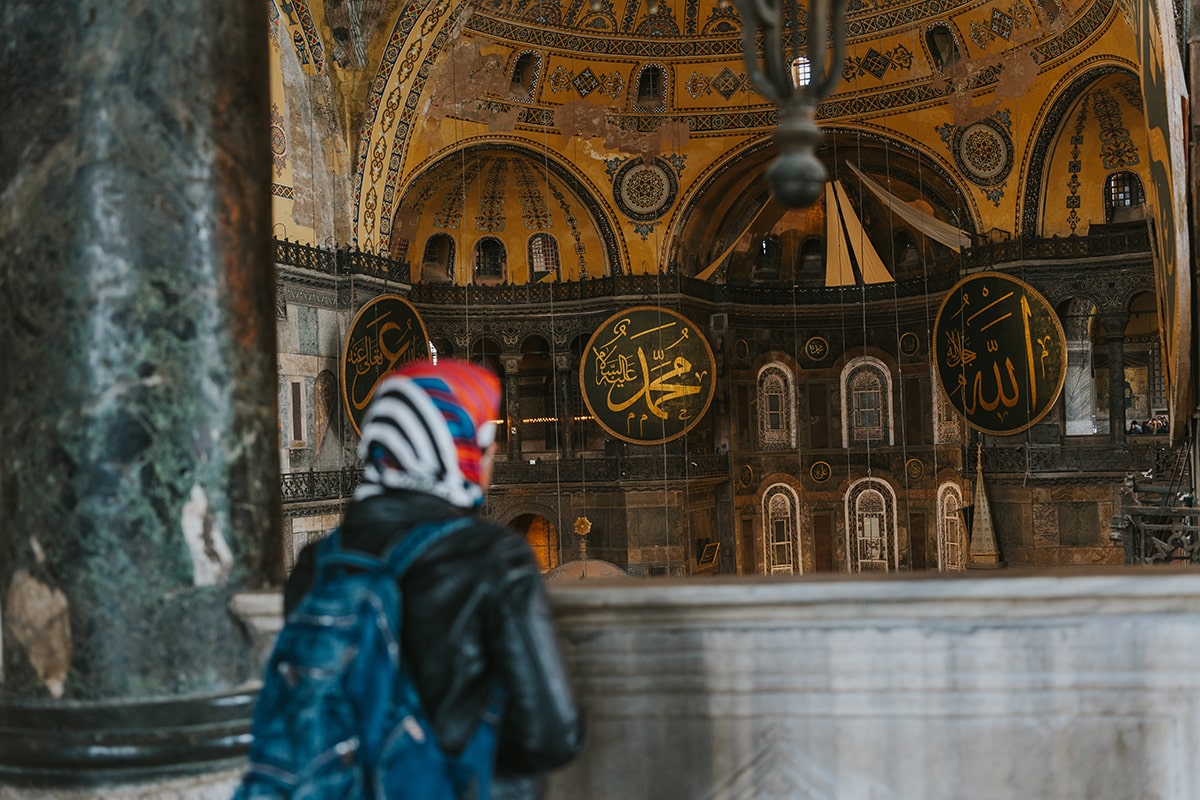
- Head Covering: Women are required to cover their heads. Scarves are available for purchase or rent at the entrance, but it's recommended to bring your own to ensure comfort and style.
- Clothing: Avoid wearing sleeveless tops, shorts, or skirts above the knee. Loose-fitting clothing that covers the arms and legs is ideal. Long dresses, skirts, or trousers are all excellent choices.
For Men:
- Clothing: While the requirements for men are less strict, it's still important to dress respectfully. Avoid wearing shorts above the knee or sleeveless shirts. Long trousers or jeans are recommended.
Visitor Etiquette: Showing Respect Inside Hagia Sophia
Beyond the dress code, there are certain behavioral guidelines that visitors should follow to maintain a respectful atmosphere within Hagia Sophia. Remember that this is a place of worship for many, and your actions should reflect that understanding.
Key Etiquette Tips:
- Silence: Maintain a quiet and respectful tone of voice. Avoid loud conversations or disruptive behavior.
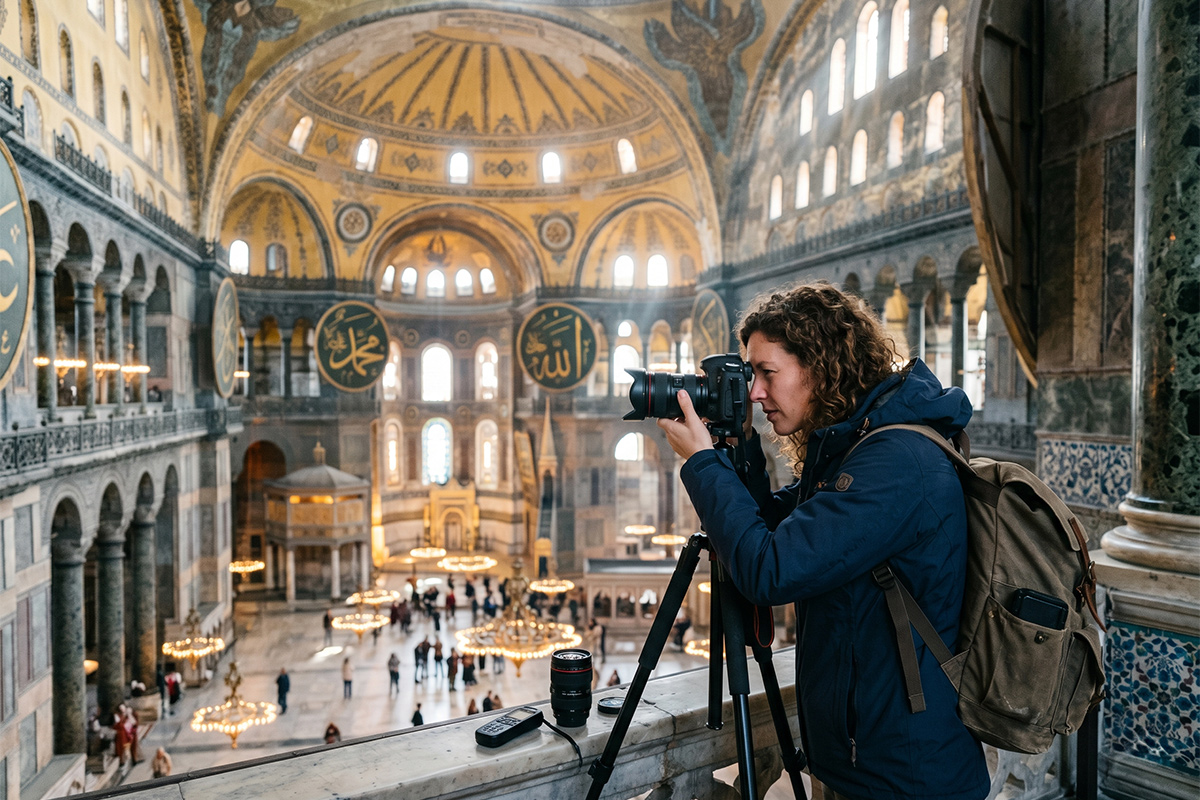
- Photography: Photography is generally allowed, but flash photography is often prohibited. Be mindful of your surroundings and avoid blocking pathways or disrupting prayers.
- Prayer Times: During prayer times, certain areas may be restricted to worshippers. Be aware of the prayer schedule and avoid entering these areas.
- Touching Artifacts: Refrain from touching or leaning on any of the historical artifacts or architectural features. Preservation is key to ensuring future generations can appreciate Hagia Sophia's beauty.
- Footwear: You will be required to remove your shoes before entering the designated prayer area. Shoe storage is available at the entrance.
Guided Tours: Enhancing Your Understanding
To truly appreciate the historical and architectural significance of Hagia Sophia, consider joining a guided tour. Knowledgeable guides can provide valuable insights into the building's history, art, and religious significance. They can also answer your questions and point out details that you might otherwise miss. Exploring Visiting Information before your visit can give you a better understanding of the site.
Benefits of a Guided Tour:
- Expert Knowledge: Gain a deeper understanding of Hagia Sophia's history and significance from a knowledgeable guide.
- Hidden Gems: Discover hidden architectural details and artistic treasures that you might otherwise overlook.
- Q&A: Have your questions answered by an expert and gain a more comprehensive understanding of the site.
- Time Efficiency: Maximize your time by focusing on the most important aspects of Hagia Sophia.
Planning Your Visit: Tickets and Accessibility
Planning your visit in advance can help you avoid long queues and make the most of your time at Hagia Sophia. Consider purchasing your tickets online to save time and ensure entry. Check the official website for updated opening hours and any special events or closures.
Accessibility:
Hagia Sophia is partially accessible to visitors with mobility issues. There are ramps and elevators available in some areas, but certain parts of the building may be difficult to access. It's advisable to contact the site in advance to inquire about accessibility options and plan your visit accordingly.
Respectful Photography: Capturing Memories Responsibly
While photography is generally allowed, it's important to be mindful of your surroundings and avoid disrupting other visitors or worshippers. Turn off your flash and avoid using tripods, as they can obstruct pathways. Capture the beauty of Hagia Sophia responsibly and respectfully.
Resources for Further Learning
Before or after your visit, consider exploring additional resources to deepen your understanding of Hagia Sophia. Numerous books, documentaries, and online articles offer valuable insights into the building's history, art, and religious significance. Immerse yourself in the story of Hagia Sophia and gain a greater appreciation for its cultural importance.
Making Your Visit Meaningful
Visiting Hagia Sophia is more than just ticking off a landmark on your travel itinerary. It's an opportunity to connect with history, art, and spirituality. By dressing respectfully, observing proper etiquette, and engaging with the site's rich history, you can ensure a meaningful and enriching experience. Remember to be open to the experience, embrace the cultural significance, and allow yourself to be transported by the beauty and grandeur of Hagia Sophia. It's a journey you won't soon forget.