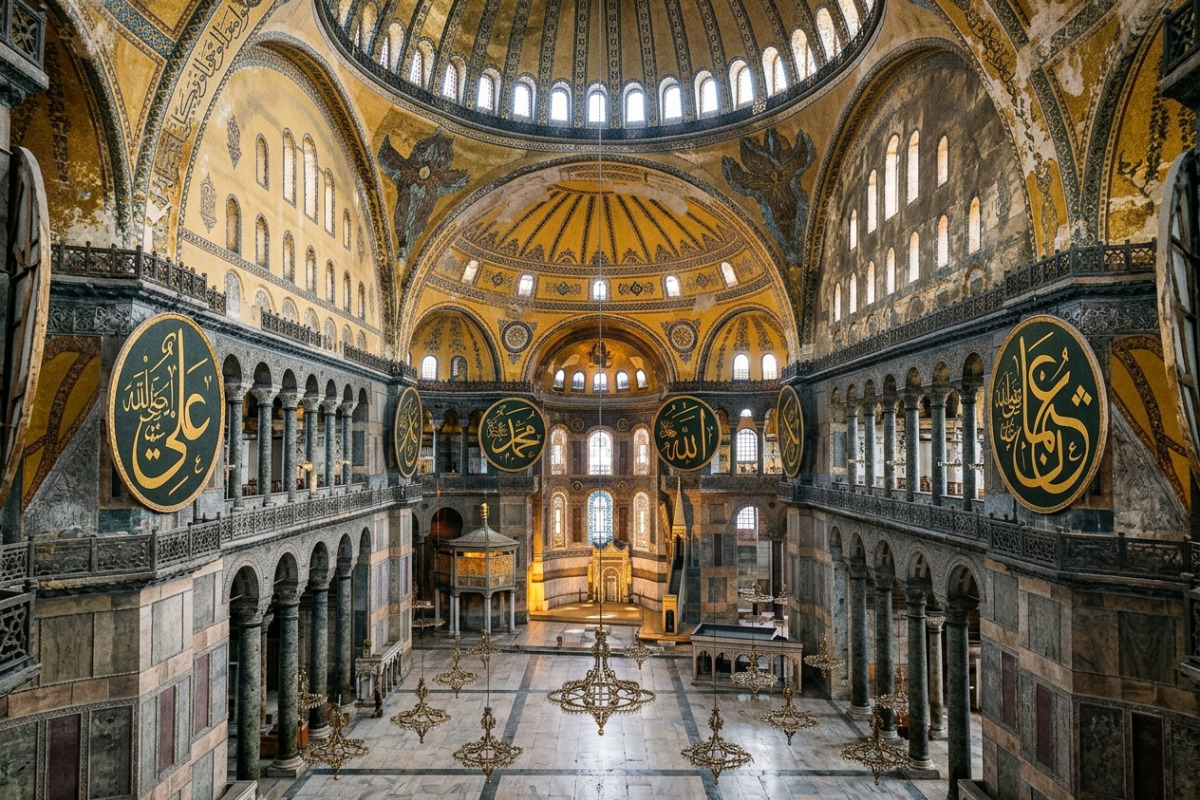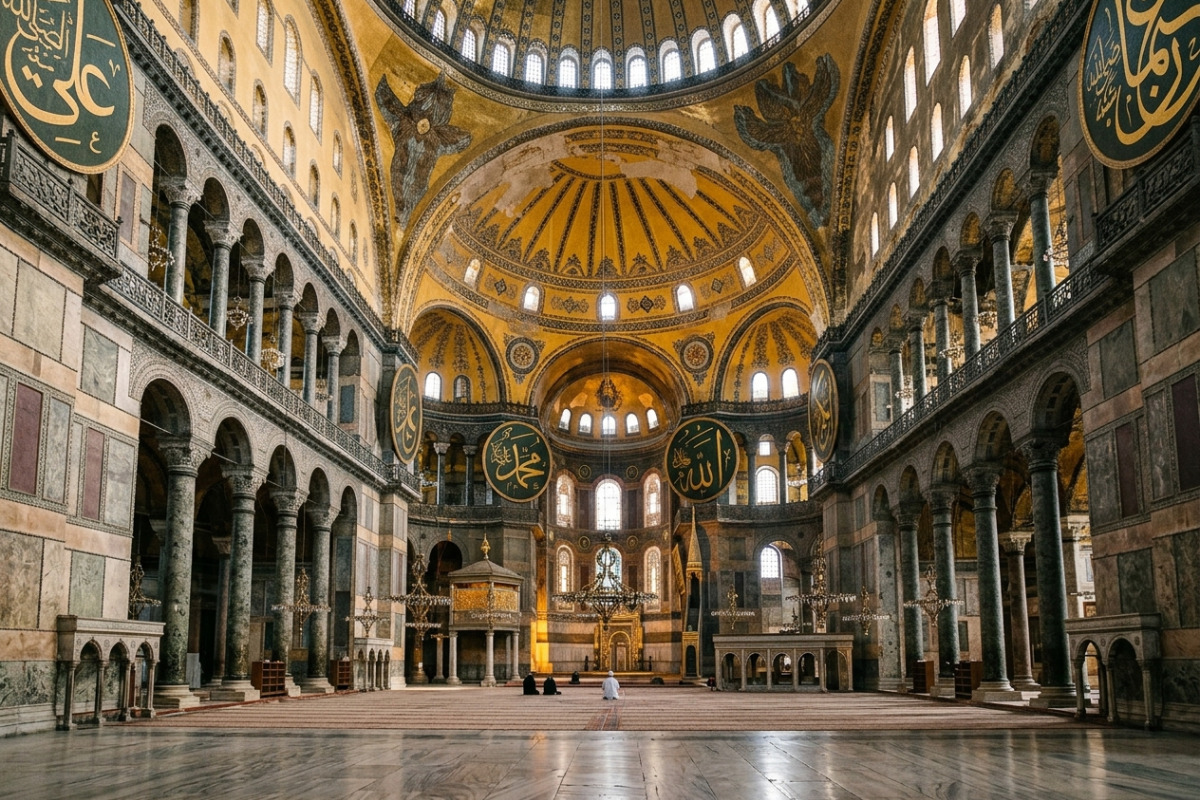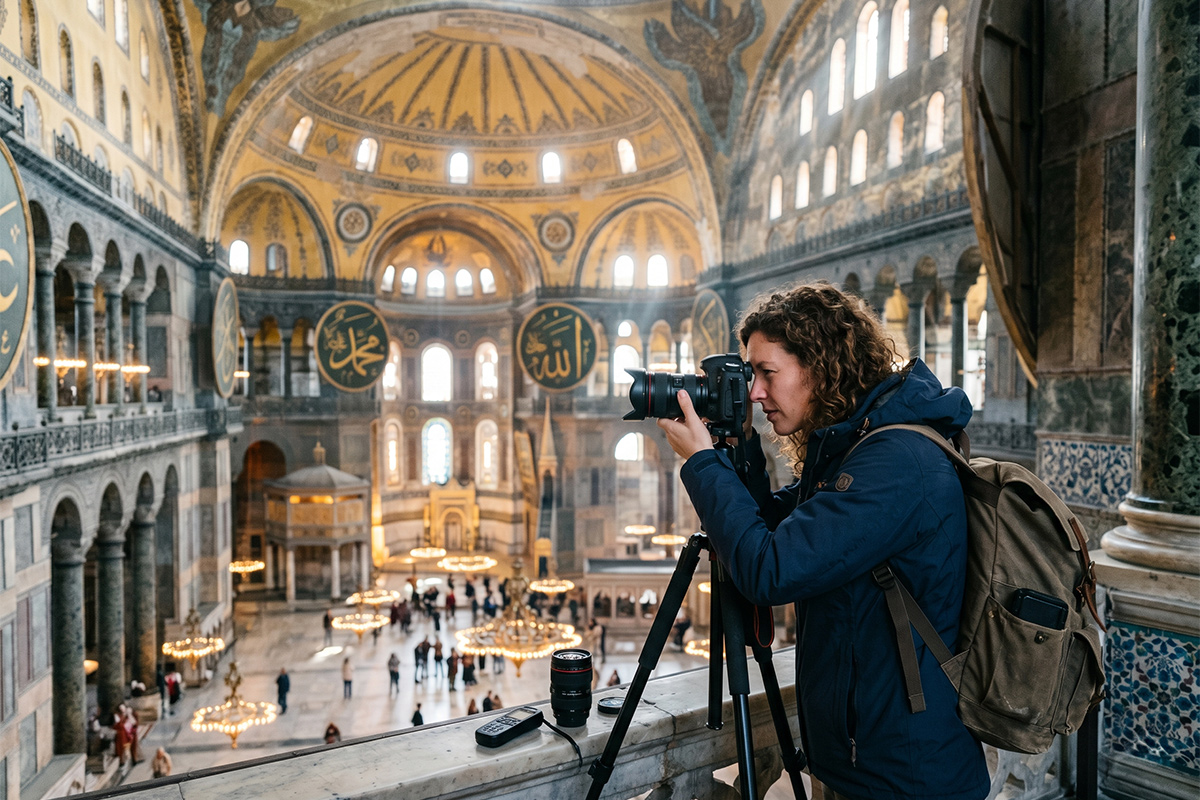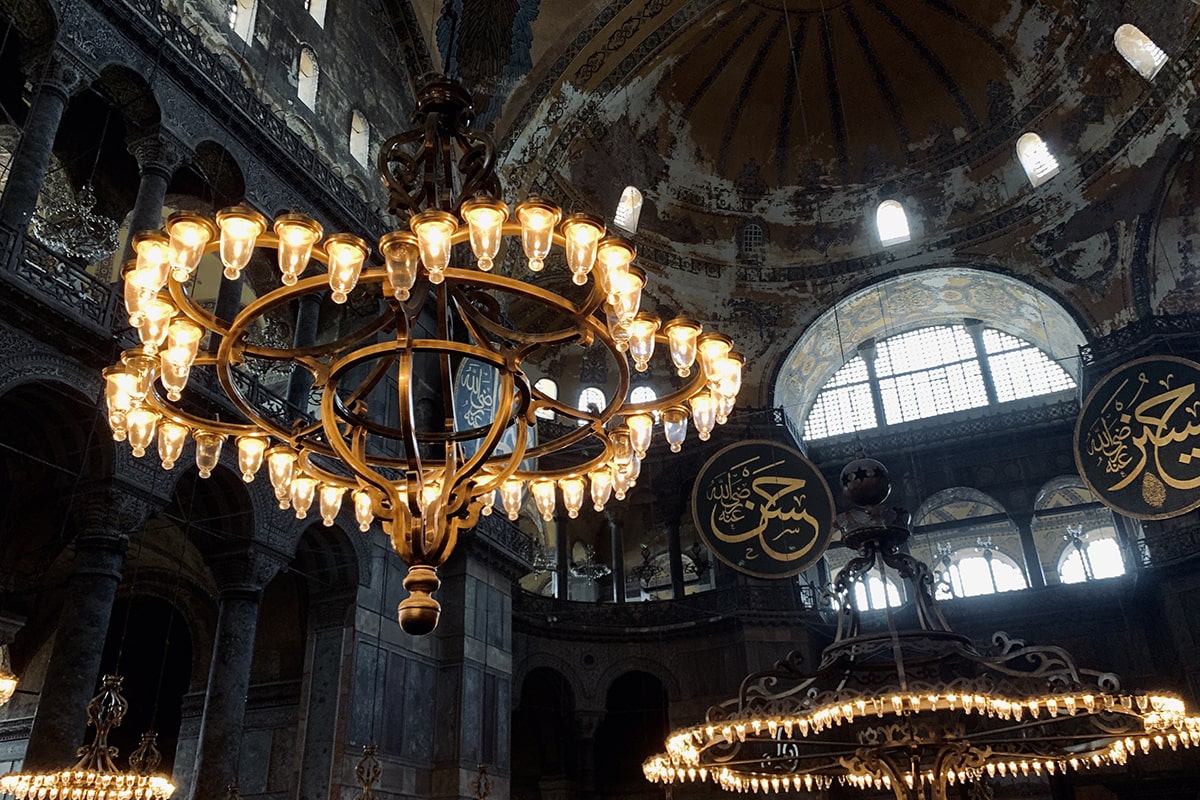
Hagia Sophia, a testament to Byzantine ingenuity and artistic vision, stands as a photographer's dream. Its soaring dome, intricate mosaics, and rich history offer countless opportunities to capture stunning images. However, photographing this architectural marvel presents unique challenges. This guide is designed to equip you with the knowledge and techniques needed to capture the grandeur of Hagia Sophia, transforming fleeting moments into lasting memories.
Planning Your Photographic Journey
Preparation is key to a successful photography trip. Understanding the best times to visit and knowing what to expect will significantly enhance your experience.
Best Time to Visit for Photography
The light within Hagia Sophia changes dramatically throughout the day. Early morning offers soft, diffused light that beautifully illuminates the interior, highlighting the mosaics and architectural details. Midday can bring harsh shadows, making it more challenging to capture balanced exposures. Late afternoon provides a warmer, golden light that adds a magical touch to your images. Consider these factors when planning your visit.
- Early Morning (Opening Hours): Soft, diffused light, fewer crowds.
- Midday: Harsh light, more crowds.
- Late Afternoon: Warm, golden light, moderate crowds.
Weekdays generally see fewer visitors than weekends, allowing for more unobstructed shots. Also, be aware of religious holidays and special events, which may impact opening hours and crowd levels. You can check Visiting Information for the most up-to-date details.
Essential Camera Gear
Having the right equipment is crucial for capturing high-quality images inside Hagia Sophia. Here's a list of essential gear:
- Wide-Angle Lens: Essential for capturing the vastness of the interior and the soaring dome. A lens in the 16-35mm range is ideal.
- Standard Zoom Lens: A 24-70mm lens is versatile for capturing a variety of shots, from architectural details to portraits.
- Telephoto Lens: While not essential, a telephoto lens (70-200mm) can be useful for isolating specific details, such as the mosaics high up on the walls.
- Fast Aperture Lens: A lens with a wide aperture (f/2.8 or wider) is crucial for shooting in low-light conditions without excessive noise.
- Tripod: A tripod is highly recommended for capturing sharp images in low light. However, be aware that tripods may be restricted in certain areas. Check the rules before your visit.
- Camera Bag: A comfortable and secure camera bag is essential for carrying your gear.
Consider bringing extra batteries and memory cards, as you'll likely be taking many photos.
Mastering Photographic Techniques
Beyond having the right gear, mastering certain photographic techniques will elevate your images of Hagia Sophia.
Composition Tips
Composition is key to creating visually appealing images. Here are some tips for composing your shots:
- Leading Lines: Use the architectural lines of the building to guide the viewer's eye through the image.
- Rule of Thirds: Place key elements of your composition along the lines or at the intersections of the rule of thirds grid.
- Symmetry: Hagia Sophia offers many opportunities for symmetrical compositions.
- Foreground Elements: Include foreground elements to add depth and interest to your images.
- Fill the Frame: Don't be afraid to get close and fill the frame with your subject.
Working with Light
The lighting inside Hagia Sophia can be challenging, but also rewarding. Here are some tips for working with the light:
- Embrace the Shadows: Shadows can add drama and depth to your images.
- Look for Light Beams: When light streams through the windows, look for opportunities to capture dramatic light beams.
- Use High ISO: Don't be afraid to increase your ISO to capture more light. Modern cameras can produce surprisingly clean images at high ISO settings.
Capturing the Details
Hagia Sophia is filled with intricate details, from the stunning mosaics to the ornate carvings. Here are some tips for capturing these details:
- Use a Telephoto Lens: A telephoto lens can help you isolate specific details.
- Get Close: Don't be afraid to get close and capture the textures and patterns of the building.
- Pay Attention to Light: The light can dramatically affect how the details appear.
Respecting the Sacred Space
Hagia Sophia is a historically significant and spiritually important place. It's important to be respectful of the space and the people around you. Be mindful of noise levels, avoid blocking pathways, and adhere to any rules or restrictions that are in place. Remember that Hagia Sophia has a rich history, and respecting it is paramount.
Post-Processing Tips
Post-processing can enhance your images and bring out their full potential. Here are some basic post-processing tips:
- Adjust Exposure: Correct any exposure issues.
- Adjust White Balance: Ensure the colors are accurate.
- Increase Contrast: Add contrast to make the image pop.
- Sharpen the Image: Sharpen the image to bring out the details.
- Remove Noise: Reduce noise in high-ISO images.
Remember to process your images subtly, avoiding excessive adjustments that can make them look unnatural.
Getting There and Getting In
Planning your arrival is just as important as planning your photography. Hagia Sophia is easily accessible by public transportation. Consider purchasing your tickets in advance to avoid long queues, especially during peak season.
By following these tips and techniques, you'll be well-equipped to capture the grandeur and beauty of Hagia Sophia, creating stunning images that will last a lifetime. Happy shooting!