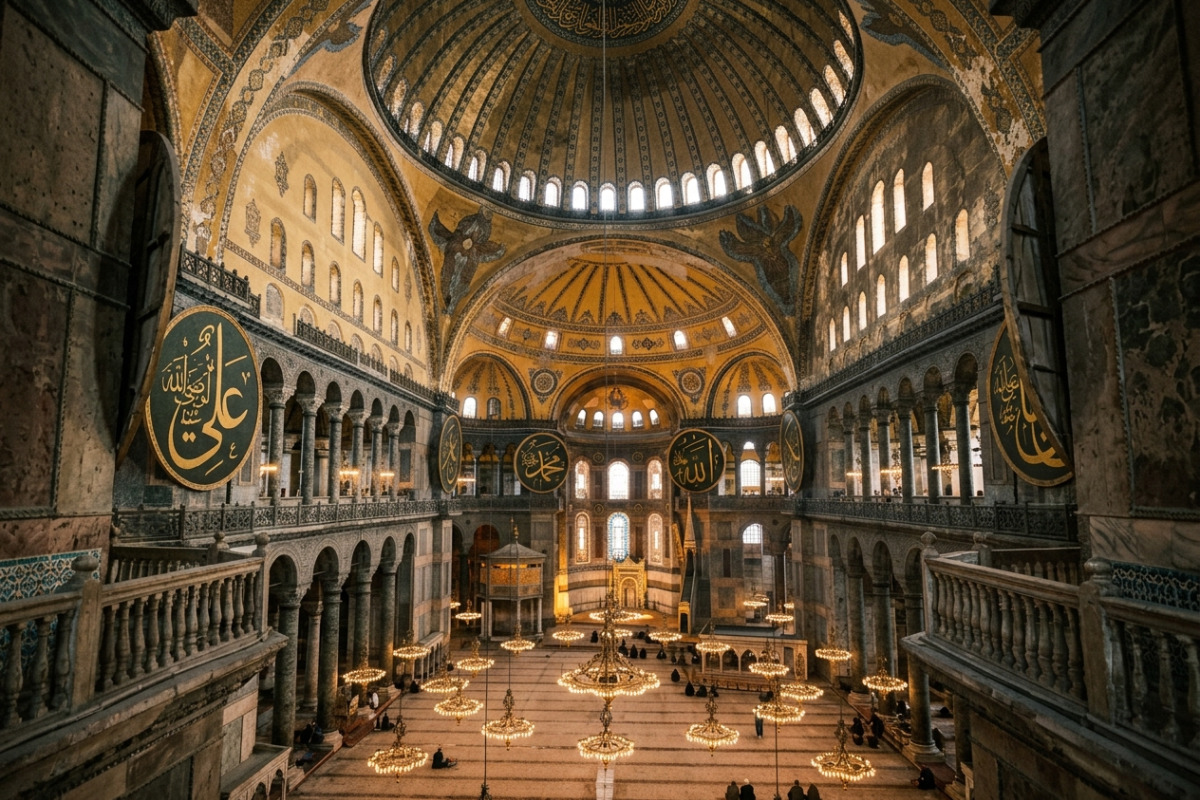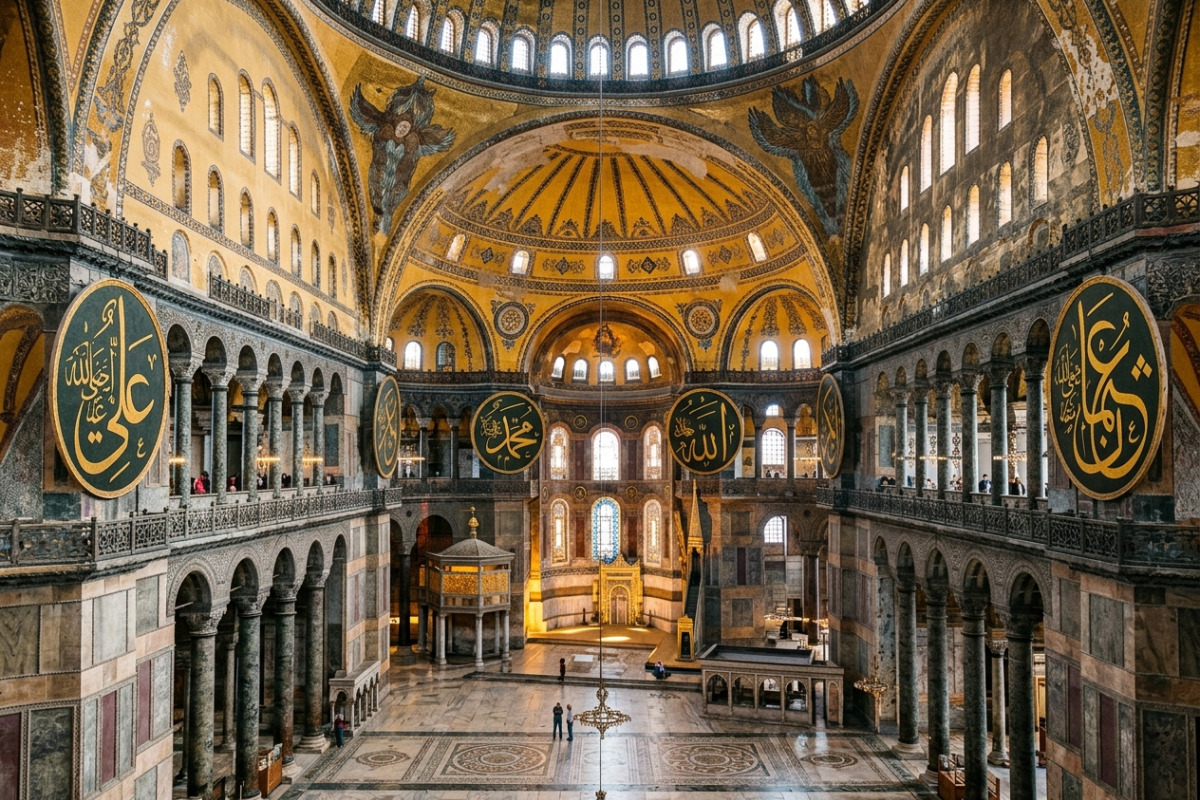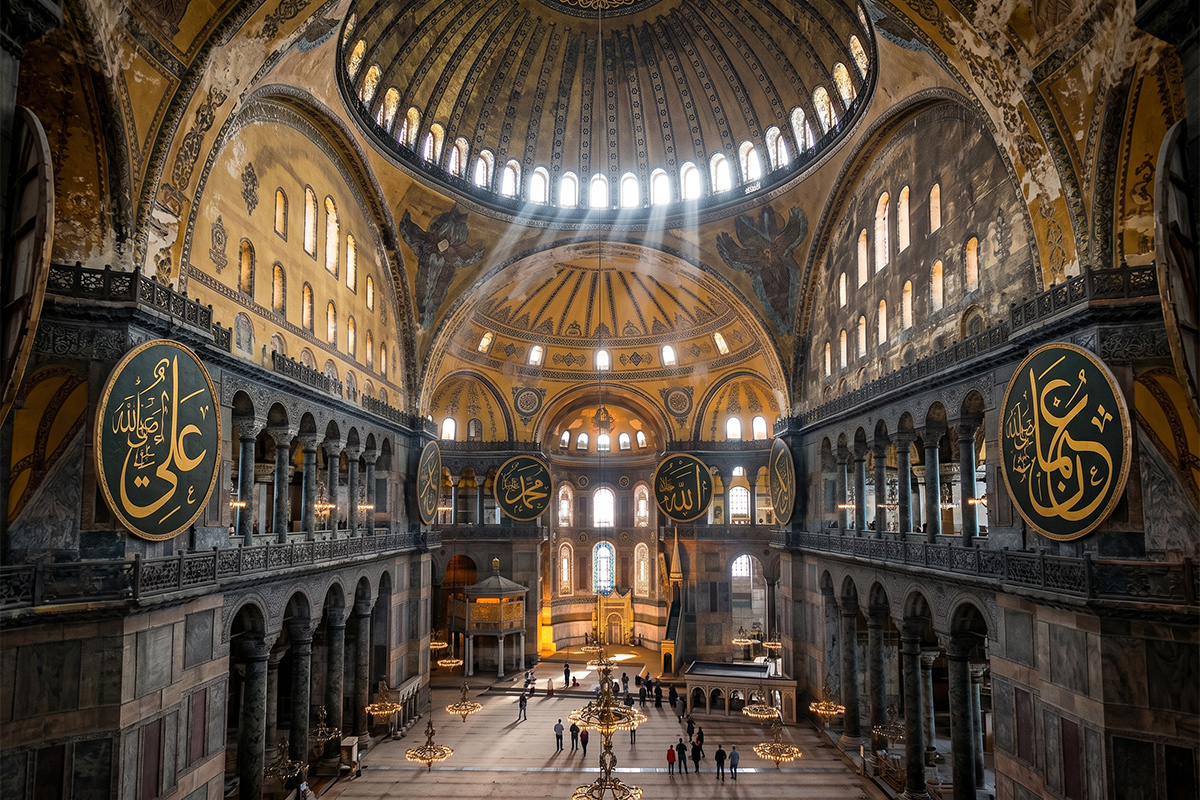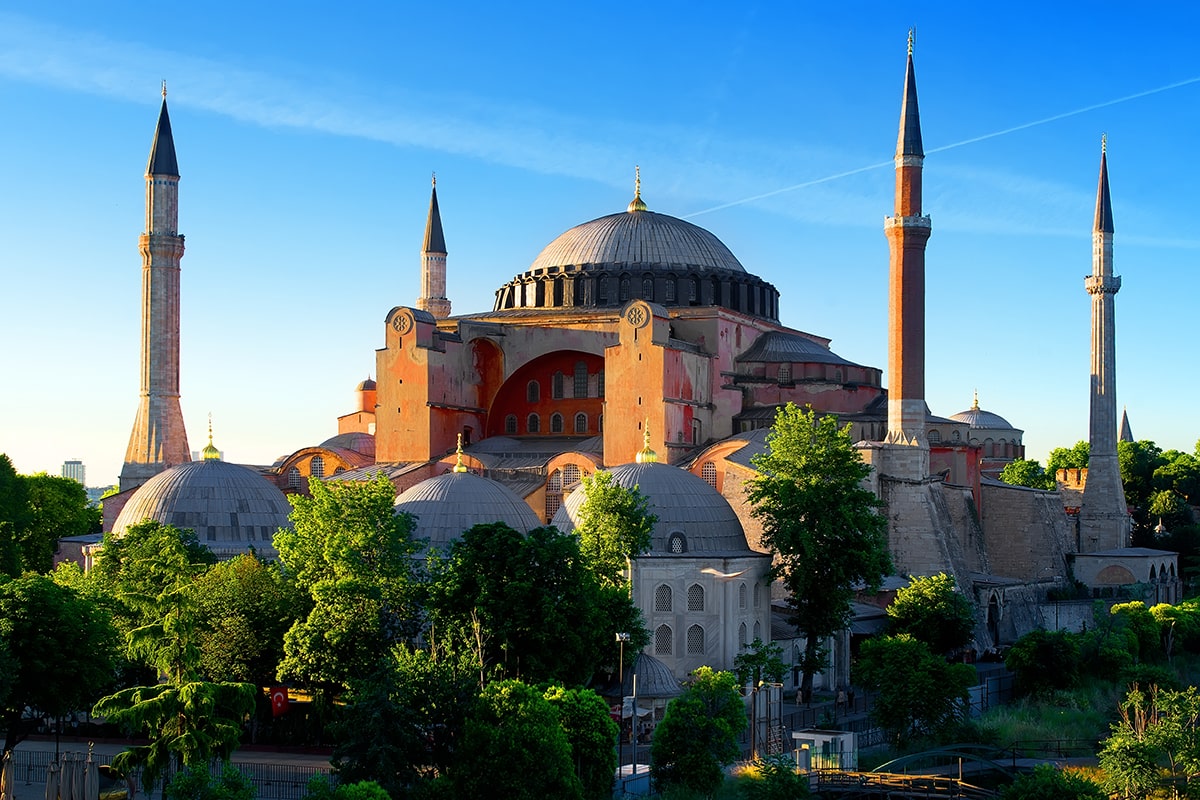
Hagia Sophia, a testament to human ingenuity and spiritual devotion, stands as a beacon of history in Istanbul. Millions flock to witness its awe-inspiring dome and vast main hall, but beyond the well-trodden paths lie hidden gems waiting to be discovered. This guide invites you to venture beyond the familiar and explore the lesser-known corners of Hagia Sophia, revealing the secrets and stories etched within its walls.
Unveiling the Hidden Chapels
While the main hall captivates with its sheer scale, the hidden chapels offer a more intimate and contemplative experience. These smaller spaces, often overlooked by casual visitors, hold unique artistic and historical significance. Seek out the Chapel of the Holy Spring, believed to have healing properties, or the Baptistery, a reminder of Hagia Sophia's early role as a Christian cathedral. The intricate details and serene atmosphere of these chapels provide a welcome respite from the crowds and a chance to connect with the building's spiritual heritage.
The Chapel of the Holy Spring
Tucked away, the Chapel of the Holy Spring is a serene space believed to possess healing waters. Historically, visitors would come to drink and bathe in the spring, seeking cures for various ailments. While the spring is no longer accessible, the chapel's peaceful ambiance and historical significance make it a worthwhile stop.
The Baptistery
The Baptistery, located near the main entrance, hints at Hagia Sophia's early function as a Christian cathedral. Though its original baptismal font is no longer present, the space offers a glimpse into the rituals and ceremonies that once took place within these walls. Imagine the processions and prayers that echoed through this very space centuries ago.
Marveling at the Overlooked Mosaics
Hagia Sophia is renowned for its stunning mosaics, but many visitors only focus on the most famous examples. Take the time to seek out the lesser-known mosaics, often located in the upper galleries or in less-trafficked areas. These hidden masterpieces depict biblical scenes, imperial figures, and intricate geometric patterns, offering a glimpse into the artistic and religious beliefs of the Byzantine era. Look closely and you'll discover details and nuances that are easily missed in the grand sweep of the main hall.
The Deesis Mosaic
While not entirely hidden, the Deesis Mosaic, located in the south gallery, often gets overlooked due to its location. This magnificent mosaic depicts Christ Pantocrator flanked by the Virgin Mary and John the Baptist, pleading for humanity. Its intricate details and powerful imagery make it one of the most moving works of art in Hagia Sophia.
Imperial Portraits
Keep an eye out for the imperial portraits scattered throughout Hagia Sophia. These mosaics depict various Byzantine emperors and empresses, offering insights into their roles and contributions to the empire. Studying these portraits can help you understand the political and social context in which Hagia Sophia was built and maintained.
Delving into the Historical Details
Beyond the artistic treasures, Hagia Sophia is filled with historical details that offer clues to its past. Look for the runic inscriptions left by Nordic warriors in the upper galleries, a testament to the building's enduring appeal to travelers from across the world. Examine the different types of marble used in the construction, each sourced from various corners of the Byzantine Empire. Pay attention to the architectural details, such as the soaring arches and intricate columns, which reflect the engineering prowess of the Byzantine architects. Understanding these historical details will enrich your appreciation for Hagia Sophia's complex and fascinating history. You can delve deeper into the history of Hagia Sophia on our website.
Viking Graffiti
One of the most intriguing hidden details in Hagia Sophia is the runic graffiti carved into the marble railings of the upper galleries. These markings, believed to have been left by Norse visitors serving in the Byzantine court, offer a rare and tangible link to the building’s far-reaching history. Standing before them, you can imagine those medieval travelers gazing up in awe at the same vast domes and soaring arches that captivate visitors today.
Marble Varieties
The different types of marble used in the construction of Hagia Sophia are a testament to the vast reach of the Byzantine Empire. Marble was sourced from various regions, including Greece, Italy, and North Africa, each with its unique color and veining. Examining these different types of marble can provide insights into the trade routes and cultural connections of the Byzantine era.
Planning Your Visit to Discover Hagia Sophia's Secrets
To truly explore the hidden gems of Hagia Sophia, it's essential to plan your visit carefully. Arrive early to avoid the crowds, allowing you to wander through the building at your own pace. Consider hiring a knowledgeable guide who can point out the less obvious details and share insightful stories about Hagia Sophia's history and art. Don't forget to look up! Many of the most stunning mosaics are located in the upper reaches of the building. Remember to check visiting information before your trip to be aware of any changes.
- Arrive early to avoid crowds.
- Hire a knowledgeable guide.
- Look up to see the mosaics.
- Wear comfortable shoes.
Essential Information for Visitors
Before you embark on your journey to uncover the secrets of Hagia Sophia, it's crucial to have the necessary information at your fingertips. Confirm the opening hours, which can vary depending on the season and any ongoing restoration work. Be aware of the dress code, which requires modest attire, especially for women. Purchasing tickets in advance can save you valuable time and ensure entry, especially during peak season.
| Information | Details |
| Opening Hours | Varies seasonally; check official website |
| Dress Code | Modest attire required |
| Ticket Purchase | Recommended to purchase in advance |
Exploring Hagia Sophia is more than just seeing a famous landmark; it's about connecting with history, art, and spirituality. By venturing beyond the main hall and seeking out the hidden gems, you'll gain a deeper appreciation for this architectural marvel and its enduring legacy.