Hagia Sophia, an architectural marvel standing proudly in Istanbul, is more than just its breathtaking dome. Millions flock to witness its grandeur every year, but few delve into the deeper layers of history and symbolism woven into its very stones. Let's embark on a journey to uncover the hidden stories and intricate details that lie beyond the dome, offering a richer understanding of this iconic monument.
Unveiling the Architectural Secrets
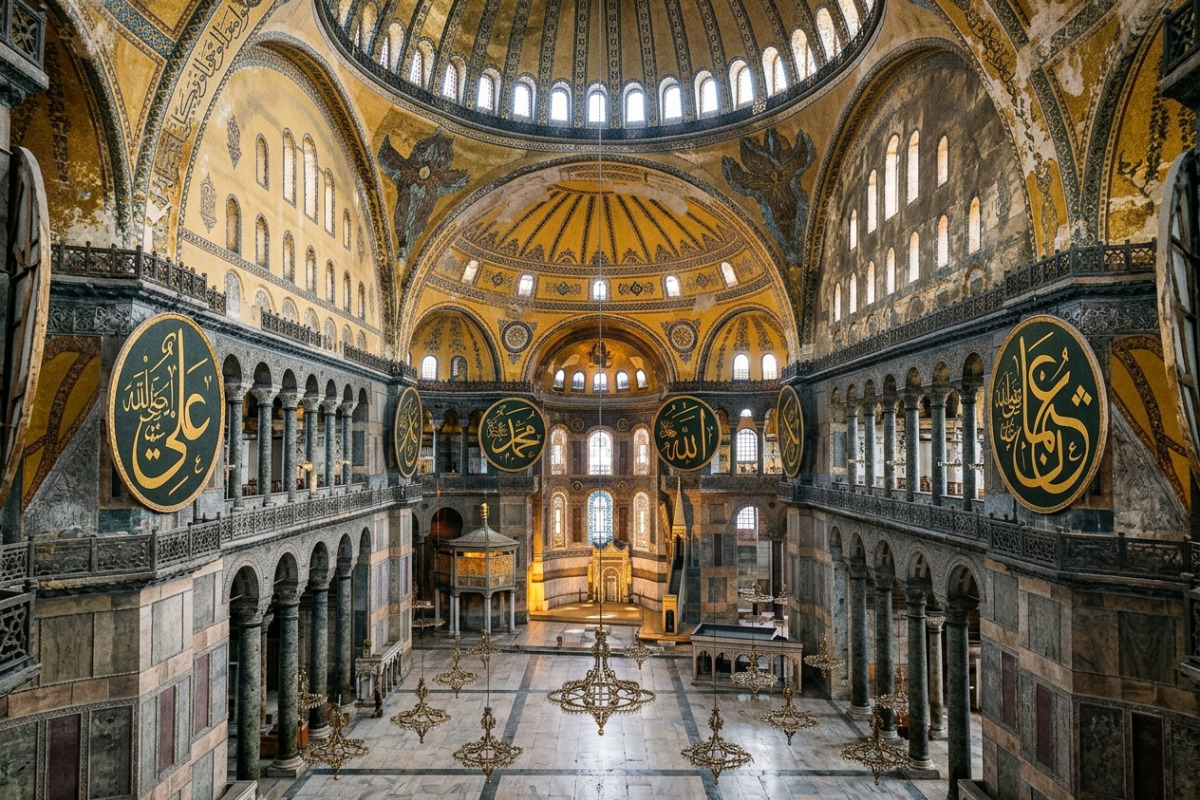
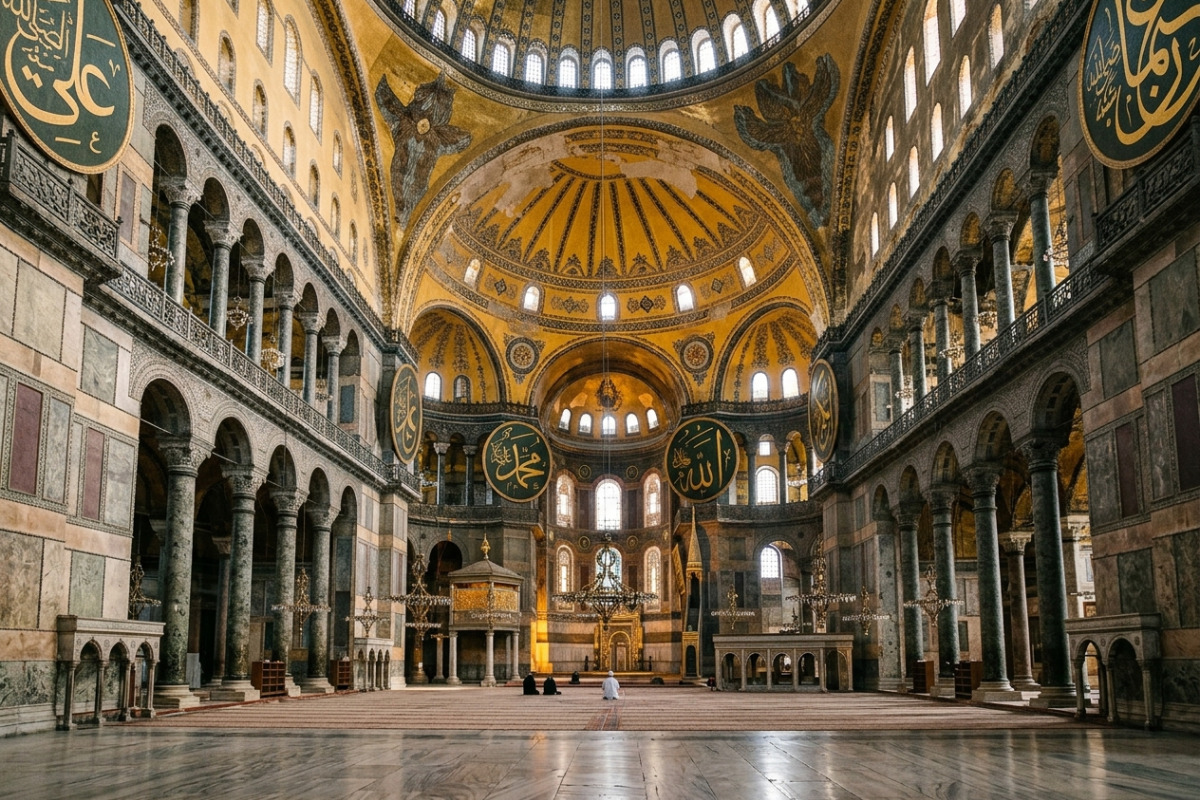
While the dome is undoubtedly the star, the Hagia Sophia boasts a plethora of architectural details that often go unnoticed. The sheer scale of the structure is astonishing, a testament to the ingenuity of Byzantine engineers. Consider the pendentives, the triangular sections that support the dome, expertly distributing its weight across the four massive arches below. This innovative design allowed for the dome's impressive height and seemingly weightless appearance.
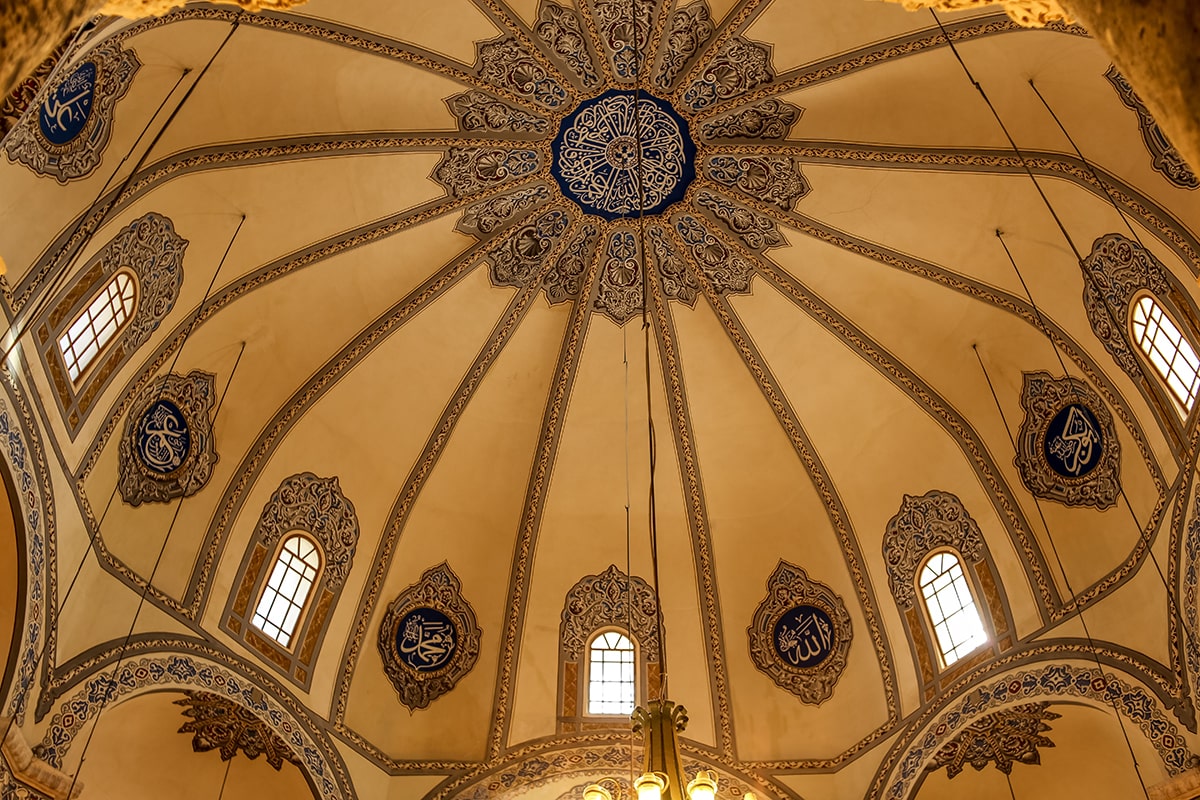
The use of light is another crucial element. The 40 windows at the base of the dome create a halo-like effect, bathing the interior in a golden glow. This was not merely aesthetic; it was intended to symbolize divine light emanating from heaven. The strategic placement of windows throughout the building further enhances this effect, creating a sense of awe and wonder.
The Marble Marvel
The marble used throughout the Hagia Sophia is not just any marble. It was carefully selected from various quarries across the Roman world, each type possessing a unique color and veining pattern. Thessalian green marble, Egyptian porphyry, and Proconnesian marble are just a few examples. The deliberate combination of these diverse marbles created a visually stunning and symbolically rich interior. Look closely, and you'll notice intricate patterns and designs within the marble itself, adding another layer of artistry to the building.
Deciphering the Mosaics: A Visual History
The mosaics of Hagia Sophia are not merely decorative; they are a visual record of Byzantine history, theology, and imperial power. While some mosaics were destroyed during the Ottoman era, many remain, offering a glimpse into the building's past splendor. The Deesis mosaic, depicting Christ flanked by the Virgin Mary and John the Baptist, is a particularly moving example of Byzantine artistry. Its delicate details and expressive figures convey a profound sense of spirituality.
Other notable mosaics include those depicting emperors and empresses, such as Constantine IX Monomachos and Empress Zoe. These mosaics served to legitimize their rule and connect them to the divine. The intricate details of their clothing, jewelry, and facial expressions provide valuable insights into Byzantine court life and imperial ideology.
Symbolism in the Details
Even the smallest details in the mosaics hold symbolic meaning. The colors used, the gestures of the figures, and the objects they hold all convey specific messages. For instance, gold symbolizes divinity and power, while blue represents heaven and purity. Understanding these symbolic codes allows for a deeper appreciation of the mosaics' artistic and religious significance.
Hidden Gems and Lesser-Known Facts
Beyond the grand features, Hagia Sophia holds many hidden gems and lesser-known facts. For example, the "Wishing Column," also known as the "Sweating Column," is said to have healing powers. Legend has it that if you insert your finger into the hole in the column and make a wish, it will come true. You can learn more about the history and legends surrounding this magnificent structure before your visit.
Another intriguing detail is the presence of Viking graffiti etched into the marble railings of the upper gallery. These inscriptions, believed to date back to the 9th century, provide evidence of Viking presence in Constantinople and offer a glimpse into their lives and travels. It's a fascinating reminder that Hagia Sophia has been a crossroads of cultures for centuries.
- The building served as a mosque for nearly 500 years.
- It was briefly a museum before being reconverted into a mosque.
- The dome is supported by four massive pillars, each over 24 meters high.
- The original Hagia Sophia was destroyed by fire in 404 AD.
Planning Your Visit: Making the Most of Your Experience
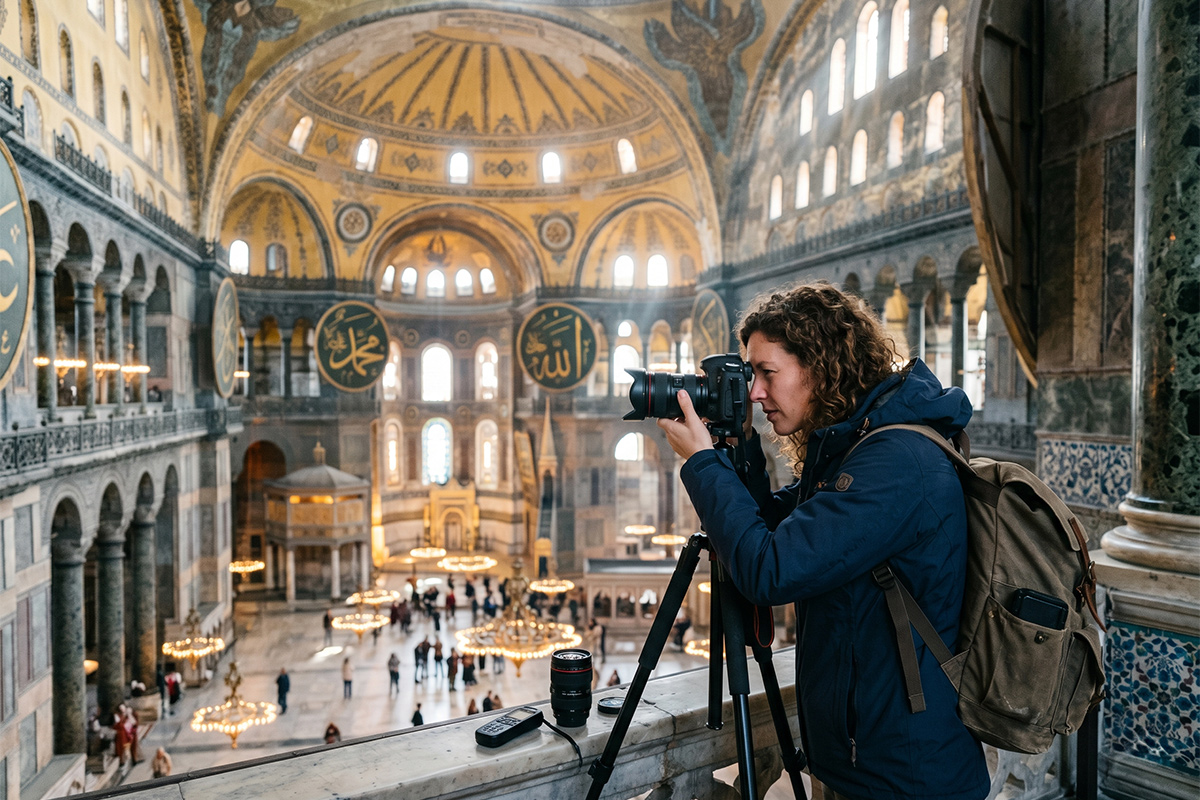
To truly appreciate the Hagia Sophia, it's essential to plan your visit carefully. Consider visiting during off-peak hours to avoid crowds. Take your time to explore the building's various levels and corners, paying attention to the architectural details and mosaics. You can find useful visiting information on the official website. Also, be sure to check ticket availability and book in advance to secure your entry.
A guided tour can also enhance your experience, providing valuable insights into the building's history, architecture, and symbolism. Alternatively, you can use a guidebook or audio guide to explore the Hagia Sophia at your own pace. Remember to dress respectfully when visiting, as it is still a place of worship.
A Timeless Testament to Human Ingenuity
Hagia Sophia is more than just a building; it is a testament to human ingenuity, artistic skill, and spiritual devotion. Its rich history, intricate architecture, and symbolic mosaics offer a profound glimpse into the Byzantine and Ottoman empires. By venturing beyond the iconic dome and exploring its hidden stories and details, you can gain a deeper appreciation for this magnificent monument and its enduring legacy.
Whether you are a history enthusiast, an architecture lover, or simply a curious traveler, Hagia Sophia is sure to captivate your senses and leave you with a lasting impression. So, plan your visit, delve into its secrets, and discover the magic that lies beyond the dome.